10 Best Screw Instrument Manufacturers for Global Buyers
Choosing reliable screw instrument manufacturers requires more than comparing catalog prices. Global buyers must assess precision, material quality, traceability, and after-sales support. A surgical screw instrument may look simple, yet its tip geometry, surface finish, and torque control can affect handling accuracy. Small differences matter in a sterile operating room.
Industry reports show why this market deserves careful evaluation. Fortune Business Insights identifies rising surgical volumes, minimally invasive procedures, and hospital investment as major drivers of surgical instrument demand. Grand View Research also highlights automation, advanced materials, and stronger quality requirements across medical device manufacturing. These findings suggest that experienced manufacturers should offer more than production capacity. They should demonstrate documented testing, stable supply chains, and responsive technical support.
This guide examines ten screw instrument manufacturers serving international buyers. The comparison considers product range, manufacturing experience, ISO 13485 quality systems, customization capability, and export reliability. Certifications alone do not guarantee practical performance. Buyers should request sample instruments, inspection records, packaging details, and realistic lead times. That step is often overlooked.
The assessment is not perfect. Public company data can be incomplete, and regional strengths may be difficult to compare fairly. Still, combining supplier evidence with recognized industry reports creates a more dependable starting point. Buyers should verify current certifications and specifications directly before placing an order.
What Screw Instruments Are and Why Manufacturer Choice Matters
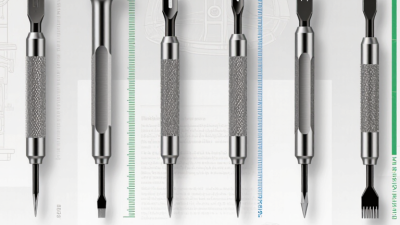
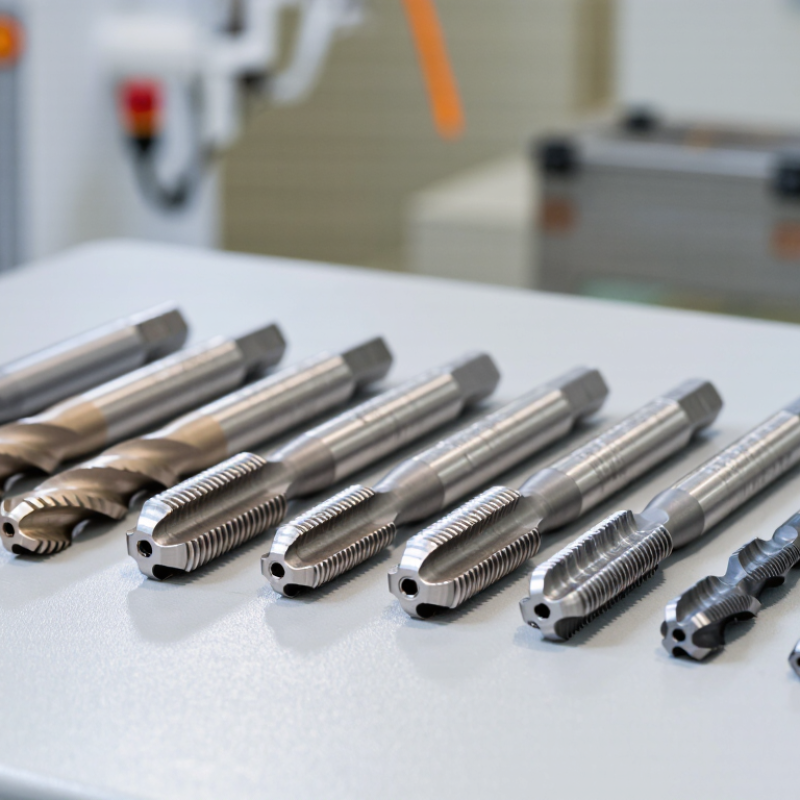
Screw instruments are precision tools used to prepare bone, guide screws, and control insertion torque during orthopedic procedures. They include screwdrivers, drill guides, taps, depth gauges, and torque-limiting handles. A small mismatch can damage a screw head or weaken fixation. That is why manufacturer choice matters beyond price.
Grand View Research valued the global orthopedic devices market at about USD 47.7 billion in 2023. Its growth reflects rising demand for dependable surgical systems and repeatable instruments.
The World Health Organization’s surgical safety guidance also emphasizes equipment checks, team communication, and process control. These principles apply directly to screw instrumentation.
Buyers should review ISO 13485 certification, material specifications, sterilization compatibility, and documented quality inspections. ASTM F543 testing can also help evaluate metallic bone screw performance, although it does not replace clinical judgment.
Look closely at the details.
Does the torque handle show clear calibration intervals?
Are replacement drivers easy to identify?
Can the supplier provide lot traceability and dimensional inspection records?
Experienced distributors often test grip comfort, tip engagement, and cleaning access before approving a supplier. Not every polished catalog reflects strong production control.
That is the uncomfortable part. A low quoted price may hide inconsistent tolerances, delayed spare parts, or weak technical support.
Manufacturer comparisons should therefore include audit evidence, response times, training resources, and failure-handling procedures, not only unit cost.
Reliability is built quietly.
How to Define Quality, Compliance, and Application Requirements
Choosing among the 10 best screw instrument manufacturers requires more than comparing prices or catalog sizes. Quality begins with traceable materials, stable dimensions, and repeatable production. Ask for mill certificates, inspection records, and batch identification. Details matter. A reliable manufacturer should explain thread tolerances, torque limits, surface treatment, and inspection methods in clear language.
Compliance must match the destination market and the product’s use. Request evidence for applicable standards, restricted-substance controls, and environmental declarations. Confirm whether documents cover the exact material, coating, and production site. A polished certificate can still hide outdated information. Check issue dates, test laboratories, and sample references. Independent verification is worthwhile for safety-critical applications.
Application requirements should guide the final decision. Indoor assembly may need different corrosion protection than marine equipment. Medical, electronic, and outdoor products also demand different cleanliness and coating controls. Discuss operating temperature, vibration, load direction, installation tools, and expected service life. Ask for first-article samples before approving volume production. Fit comes first. Buyers sometimes focus heavily on compliance and overlook usability. A screw can pass a laboratory test yet fail during automated assembly because its head, drive, or torque behavior is unsuitable. Clear drawings, controlled samples, and responsive technical support reduce that risk.
Ten Leading Screw Instrument Manufacturers Compared
Ten Leading Screw Instrument Manufacturers Compared
The ten leading screw instrument manufacturers differ most in control, repeatability, and service depth. Market research from Grand View Research estimates the global industrial fasteners market exceeded USD 80 billion in 2023. That scale increases demand for accurate tightening systems, not merely faster production.
In practical comparisons, buyers should examine torque range, calibration intervals, bit compatibility, and operator feedback. ISO 6789:2017 remains a useful reference for hand torque tools and calibration procedures. Several manufacturers now offer electric drivers with digital torque records. Those records can reveal a loose joint before vibration damages a machine. Important detail: check whether the quoted accuracy applies across the entire operating range.
MarketsandMarkets projects continued growth in the global torque tools sector through the decade, driven by automotive, aerospace, electronics, and industrial assembly. The ten compared manufacturers generally fall into three groups: manual precision-tool specialists, pneumatic system suppliers, and digitally connected equipment makers. Pneumatic models often suit repetitive lines, while electric systems provide better traceability. Manual instruments remain valuable for maintenance teams working in narrow spaces.
Testing should include a real fastener, not only a brochure specification. Measure results at low, medium, and maximum torque. Then repeat the test after several hours of use. This is where comparisons become less perfect. Published accuracy can change with temperature, lubrication, and operator technique. A strong supplier explains those limits plainly, supplies calibration evidence, and maintains accessible replacement parts. Fancy software helps, but dependable mechanics still matter.