Why Choose Orthopedic Surgical Devices for Hospitals?

Choosing orthopedic surgical devices is not simply a purchasing decision. It affects surgical precision, patient recovery, operating-room efficiency, and long-term hospital costs. A well-designed device should support the surgeon’s technique while fitting the hospital’s sterilization, training, and maintenance systems. It must work beyond the product brochure.

Dr. Joshua J. Jacobs, an orthopedic surgeon and former president of the American Academy of Orthopaedic Surgeons, has stated, “The success of an implant depends on more than the implant itself.” This principle remains highly relevant. Hospitals should examine clinical evidence, material quality, ergonomic design, instrument compatibility, and supplier support before selecting orthopedic surgical devices. A knee system, for example, should offer consistent sizing, clear instrumentation, and dependable tracking during a demanding procedure. Small design details matter.

Patient safety comes first.

The strongest choice may not be the newest device. It may be the one surgeons can use reliably, nurses can prepare correctly, and technicians can maintain without delay. Hospitals should also review complication data, user training, recall procedures, and total ownership costs. These factors reveal whether a product delivers practical value or only impressive marketing language.

There is no perfect system. Even respected devices require careful evaluation and continuous review. Surgical teams may need to adjust preferences after observing handling problems, unexpected wear, or inefficient inventory use. A responsible hospital therefore chooses orthopedic surgical devices through evidence, experience, and honest reflection. The goal is not to purchase more technology. It is to provide safer, more consistent care.

Why Choose Orthopedic Surgical Devices for Hospitals?

What Are Orthopedic Surgical Devices?

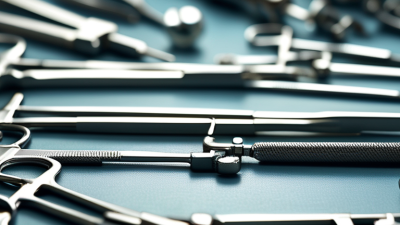
Orthopedic surgical devices are tools and implants used to diagnose, repair, or replace damaged bones and joints. They include bone saws, drills, retractors, fixation plates, screws, intramedullary nails, and joint replacement components. Some systems also support computer-assisted navigation during complex procedures.

In hospitals, these devices work within a larger clinical process. A surgeon may use a drill to prepare a bone, then select screws that match its size and strength. Sterile processing staff inspect each instrument, check its function, and prepare it for surgery. Nurses also confirm packaging, expiration information, and device availability before the patient enters the operating room.

Material choice matters. Stainless steel and titanium are common because they offer strength and corrosion resistance. Implants must also fit the patient’s anatomy and surgical plan. No device is perfect. A highly advanced tool may slow a team unfamiliar with it. A simple instrument may perform better in experienced hands. Hospitals should review clinical evidence, training needs, maintenance demands, and feedback from actual procedures. Surgeons, engineers, and infection-control professionals can identify risks that product descriptions may overlook. Small details matter, such as grip texture, instrument balance, and whether cleaning instructions are practical. Careful evaluation supports safer decisions, although every procedure still requires professional judgment and patient-specific planning.

Why Choose Orthopedic Surgical Devices for Hospitals?

What Are Orthopedic Surgical Devices?

Orthopedic surgical devices include implants, fixation systems, joint replacement components, surgical instruments, and navigation tools used to treat bone, joint, ligament, and musculoskeletal conditions. Material selection is important because stiffness, strength, biocompatibility, corrosion resistance, and imaging compatibility can affect clinical performance.

The chart compares representative elastic modulus values for materials commonly used in orthopedic devices. A lower modulus may help reduce stiffness mismatch with bone, while higher-modulus materials can provide strong structural support in load-bearing applications. Final device selection depends on anatomy, surgical technique, patient condition, regulatory requirements, and clinical evidence.

Data are representative values reported in engineering and biomedical literature: PEEK approximately 3.5 GPa, titanium alloy approximately 110 GPa, stainless steel approximately 200 GPa, and cobalt-chromium alloy approximately 230 GPa. Bone properties vary substantially by type and anatomical location.

Which Clinical Needs Do These Devices Address?

Orthopedic surgical devices address specific clinical problems that medication and rehabilitation cannot always resolve. A displaced fracture may need plates, screws, or intramedullary fixation to restore alignment and permit controlled movement. In damaged joints, replacement components can reduce pain and recover function when cartilage loss becomes severe. The clinical goal is practical: stable anatomy, safer healing, and a realistic return to daily activities. Small details matter. A locking screw must hold bone securely without irritating nearby tissue.

Spinal devices may support unstable segments, correct deformity, or protect neural structures during carefully planned procedures. Arthroscopic instruments help surgeons inspect and treat limited areas through smaller portals, which may reduce soft-tissue disruption. Hospitals also use navigation, imaging, and patient-specific guides when anatomy is complex. These tools can improve precision, but they do not replace surgical judgment. Evidence, training, sterilization capacity, and compatibility with existing equipment should guide selection. A device that performs well in a laboratory may still create workflow problems in a crowded operating room.

Clinical teams must match each device to bone quality, infection risk, age, activity level, and expected healing. They should review published evidence, safety information, and outcomes from comparable procedures. No device solves every case. Even well-designed implants can loosen, break, or require revision. That uncomfortable possibility deserves honest discussion with patients. Reliable systems include staff training, traceability, maintenance, and follow-up data. Better choices often come from measured review, not impressive packaging.

How Do They Improve Surgical Precision and Patient Safety?

Orthopedic surgical devices can improve precision when every millimeter matters. Accurate guides, depth gauges, navigation tools, and torque-controlled instruments help surgeons align implants and protect surrounding tissue. This matters because the World Health Organization’s 2022 musculoskeletal report estimates that 1.71 billion people live with musculoskeletal conditions worldwide. Demand is substantial, but speed must not replace judgment.

In the operating room, a calibrated guide can reduce repeated trial positioning. Clear measurement markings also help teams confirm bone cuts before implantation. The Australian Orthopaedic Association National Joint Replacement Registry reported more than 150,000 joint replacement procedures in 2023. At that scale, consistent instruments may support safer, more repeatable workflows. Yet devices cannot correct poor planning, inadequate training, or rushed communication. That part is often underestimated.

Patient safety also depends on traceability. Staff should verify device integrity, sterilization status, lot information, and compatibility before incision. The WHO Global Patient Safety Action Plan identifies surgical care as a high-risk area requiring stronger systems and learning. Digital navigation may improve visibility, but registration errors or misplaced trackers can still mislead the team. Human checks remain essential. The technology is not infallible. Hospitals should review complication data, calibration records, and staff feedback regularly, then adjust protocols when evidence exposes weak points.

What Factors Should Hospitals Consider When Choosing Them?

Choosing orthopedic surgical devices requires more than comparing prices. Hospitals should begin with clinical needs, procedure volume, and surgeon experience. A trauma unit may prioritize durable fixation systems, while a joint replacement center may need precise cutting guides and reliable instruments. The device should match operating-room routines, patient anatomy, and available imaging equipment. Small compatibility problems can delay surgery.

Safety and evidence deserve close attention. Hospitals should review clinical data, material quality, sterilization requirements, and applicable regulatory documentation. Clear instructions matter. A device that seems intuitive during a demonstration may become difficult under pressure, especially when staff are unfamiliar with its controls. Training should include realistic practice, not only a short product presentation. It helps to observe how the device performs with gloves, fluids, and limited visibility.

Long-term value also includes maintenance, replacement parts, technical support, and supply continuity. A cheaper device may create higher costs through repairs or extended operating time. Ask practical questions. How quickly can a damaged instrument be replaced? Can staff clean it without special equipment? Will the supplier provide documented updates? No checklist is flawless. Hospital teams should test devices in their own workflow and invite feedback from surgeons, nurses, technicians, and infection-control specialists. Their comments may reveal an awkward grip, unclear packaging, or a step that looks simple on paper but slows the procedure.

Why Choose Orthopedic Surgical Devices for Hospitals? - What Factors Should Hospitals Consider When Choosing Them?
Device Category Typical Hospital Applications Primary Clinical Value Key Performance Data to Review Patient-Safety Considerations Operational and Training Factors Procurement Priority
Trauma Fixation Devices Fracture fixation involving plates, screws, intramedullary nails, and external fixation systems. Supports fracture alignment, stabilization, and functional recovery while allowing treatment to be matched to fracture pattern and bone quality. Material composition, mechanical strength, fatigue performance, screw compatibility, instrument completeness, and published clinical outcomes. Verify regulatory authorization, implant traceability, sterile packaging integrity, accurate sizing, and compatibility between implants and instruments. Assess surgeon familiarity, inventory requirements, tray weight, sterilization workflow, and availability of emergency sizes. High priority for hospitals with emergency, trauma, or orthopedic services.
Joint Replacement Implants Hip, knee, shoulder, and other reconstructive arthroplasty procedures. Restores joint function, reduces pain, and supports mobility in patients with advanced joint disease or severe joint damage. Implant fixation method, bearing materials, wear characteristics, range of sizes, revision compatibility, survivorship data, and radiographic performance. Review infection-control protocols, implant identification systems, component compatibility, and procedures for managing recalls or field safety notices. Consider surgeon training, inventory of multiple sizes, templating tools, operating-room time, and long-term revision support. High priority for hospitals performing elective arthroplasty.
Arthroscopy Systems Minimally invasive procedures involving the knee, shoulder, hip, ankle, wrist, and elbow. Provides visualization and access through small incisions, which may support reduced soft-tissue disruption and shorter recovery in appropriate cases. Image resolution, field of view, fluid management, instrument durability, light transmission, camera performance, and equipment uptime. Confirm validated cleaning and sterilization instructions, leakage testing requirements, electrical safety, and prevention of retained or damaged components. Evaluate compatibility with existing towers, staff training, reusable-device turnaround time, and backup equipment availability. High priority for hospitals with minimally invasive orthopedic programs.
Powered Surgical Instruments Bone cutting, drilling, reaming, shaping, and preparation for trauma or reconstructive procedures. Improves control and efficiency during bone preparation when the correct speed, torque, and cutting accessory are selected. Speed range, torque output, battery capacity, charging time, vibration, noise, accessory durability, and performance under load. Assess thermal injury risk, guard and trigger design, battery safety, cleaning limitations, and preventive maintenance requirements. Compare corded and battery-powered workflows, charging capacity, service response, accessory stock, and user competency requirements. High priority where procedure volume and instrument availability affect operating-room efficiency.
Spinal Surgical Devices Spinal stabilization, decompression, fusion, deformity correction, and selected minimally invasive procedures. Supports spinal alignment, neural decompression, and stabilization when indicated by the patient’s condition and surgical plan. Construct strength, fatigue testing, implant configuration, radiographic visibility, correction capability, and evidence for the intended indication. Confirm component compatibility, neurological safety protocols, imaging compatibility, implant traceability, and procedure-specific risk controls. Review complex inventory needs, navigation or imaging integration, specialist training, and availability of revision components. High priority for hospitals with dedicated spine services.
Bone Grafting and Regenerative Devices Bone defect management, fusion procedures, revision surgery, and selected reconstructive applications. May support bone healing or defect management when used for an appropriate indication and in accordance with clinical evidence. Indication-specific clinical evidence, handling characteristics, storage conditions, preparation time, and integration with fixation systems. Review biological safety, patient eligibility, storage controls, expiration management, and adverse-event monitoring requirements. Assess staff preparation procedures, cold-chain or controlled-storage needs, wastage risk, and documentation requirements. Priority depends on case mix, clinical protocols, and supporting evidence.
External Fixation Systems Open fractures, severe soft-tissue injury, temporary stabilization, limb reconstruction, and staged treatment. Allows stabilization while providing access to injured soft tissue and supporting staged surgical management. Frame versatility, pin and clamp options, radiolucency, adjustability, mechanical stability, and ease of application. Evaluate pin-site care requirements, frame integrity, sterilization status, and risk of loosening, infection, or unintended movement. Consider emergency readiness, modular inventory, application training, bedside management, and compatibility with imaging equipment. High priority for trauma centers and hospitals treating complex limb injuries.
Surgical Navigation and Guidance Systems Selected spine, trauma, joint replacement, and complex orthopedic procedures requiring image-guided accuracy. Provides intraoperative guidance and may assist with implant positioning and surgical planning in appropriately selected cases. Tracking accuracy, registration time, system reliability, imaging compatibility, software functionality, and documented clinical workflow benefits. Maintain verification procedures, cybersecurity controls, backup surgical plans, and awareness that navigation does not replace clinical judgment. Assess capital cost, operating-room layout, staff training, technical support, software updates, and utilization rate. Selective priority based on case volume, complexity, and institutional expertise.
Reusable Orthopedic Instrument Sets Implant insertion, bone preparation, arthroplasty, trauma fixation, and revision procedures. Provides the instruments required for consistent surgical technique and correct implant placement. Instrument completeness, ergonomics, durability, dimensional accuracy, compatibility, repair frequency, and tray standardization. Validate cleaning, disinfection, inspection, packaging, and sterilization instructions; identify instruments that are difficult to clean. Consider tray weight, storage space, turnover time, sterilizer capacity, missing-instrument controls, and staff workload. Essential priority because instrument availability directly affects procedure readiness.
Patient-Matched or Customized Devices Complex anatomy, revision procedures, severe deformity, bone loss, and selected reconstructive cases. May improve preoperative planning and fit for anatomically challenging cases when supported by appropriate imaging and clinical expertise. Design accuracy, manufacturing lead time, imaging quality, fit verification, revision planning, and case-specific clinical documentation. Confirm design approval, patient identification, manufacturing controls, sterilization status, and contingency planning if the device is unsuitable. Evaluate collaboration between surgeons, engineers, radiology staff, and operating-room teams, as well as workflow and scheduling impact. Selective priority for complex cases rather than routine procedures.
Hospital-Wide Selection Criteria Applies across all orthopedic surgical device categories. Promotes safe, clinically appropriate, cost-conscious, and sustainable device adoption. Clinical evidence, total cost of ownership, procedure volume, complication data, service life, repair costs, inventory turnover, and availability. Check regulatory status, quality-system documentation, adverse-event reporting, sterilization instructions, recall procedures, and traceability. Include surgeon and nursing feedback, biomedical engineering review, central sterile services capacity, staff training, and supplier support terms. Mandatory priority for every purchasing decision.

How Do These Devices Support Hospital Efficiency and Long-Term Care?

Orthopedic surgical devices can improve hospital efficiency when they support repeatable, evidence-based workflows. The World Health Organization estimates that 1.71 billion people live with musculoskeletal conditions worldwide. This demand places pressure on operating rooms, wards, and rehabilitation teams.

Standardized instruments can shorten preparation time and reduce avoidable variation between procedures. Clear implant documentation also supports traceability, staff training, and safer follow-up care. Digital planning tools may help surgeons assess alignment before the first incision.

Small gains matter. Yet efficiency should never mean rushing clinical decisions.

Long-term care depends on more than the operation itself. Durable implants, accurate sizing, and accessible patient records can reduce revision risks and improve continuity between hospital and community care. The OECD’s Health at a Glance 2023 reports that people aged 65 and older may represent about 27% of OECD populations by 2050, compared with roughly 18% in 2021.

Hospitals should therefore evaluate devices across the full care pathway, including rehabilitation and monitoring. Procurement teams need clinical evidence, lifecycle costs, staff feedback, and maintenance plans. A cheaper device may create hidden costs through training gaps or replacement delays.

That deserves scrutiny. Surgical technology is useful, but it is not automatically efficient.