China Top 10 Orthopedic Surgical Instruments Names?
China’s orthopedic device industry offers a broad range of instruments for trauma, joint replacement, spinal surgery, and sports medicine. This guide examines the China top 10 orthopedic surgical instruments names commonly associated with modern operating rooms. It focuses on practical function, clinical application, material quality, and manufacturing reliability rather than simple popularity.
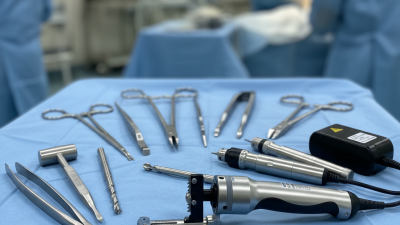
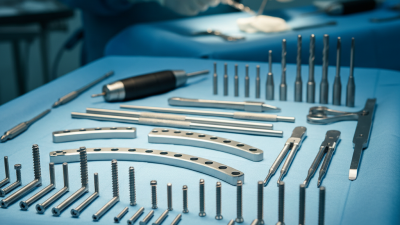
The selection may include bone saws, orthopedic drills, reamers, osteotomes, bone-holding forceps, reduction clamps, screwdrivers, plate-bending tools, intramedullary nail instruments, and external fixation systems. Each instrument supports a specific surgical step. A powered drill needs stable torque and accurate speed control. A reduction clamp must provide firm grip without damaging soft tissue. Small design details matter.
They matter greatly.
Reliable evaluation also considers stainless-steel composition, surface finishing, sterilization compatibility, ergonomic handling, and maintenance requirements. Hospitals and distributors should review technical files, quality certificates, traceability records, and clinical feedback before purchasing. Compliance with applicable medical-device regulations remains essential, especially when products enter overseas markets.
No list is perfect. Product names can vary between manufacturers, regions, and hospital purchasing systems. Some instruments overlap in function, while others are designed for highly specialized procedures. Therefore, this overview should support comparison, not replace surgeon judgment or institutional approval. Readers should verify dimensions, compatibility, warranty terms, and after-sales service directly with qualified suppliers. The following sections provide a clearer introduction to leading Chinese orthopedic instrument categories and explain where each tool may fit in professional surgical practice.
Definition and Scope of Orthopedic Surgical Instruments
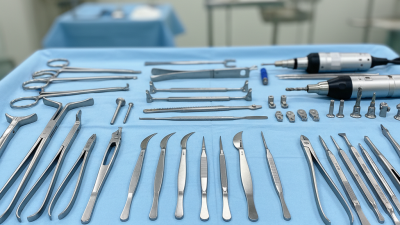
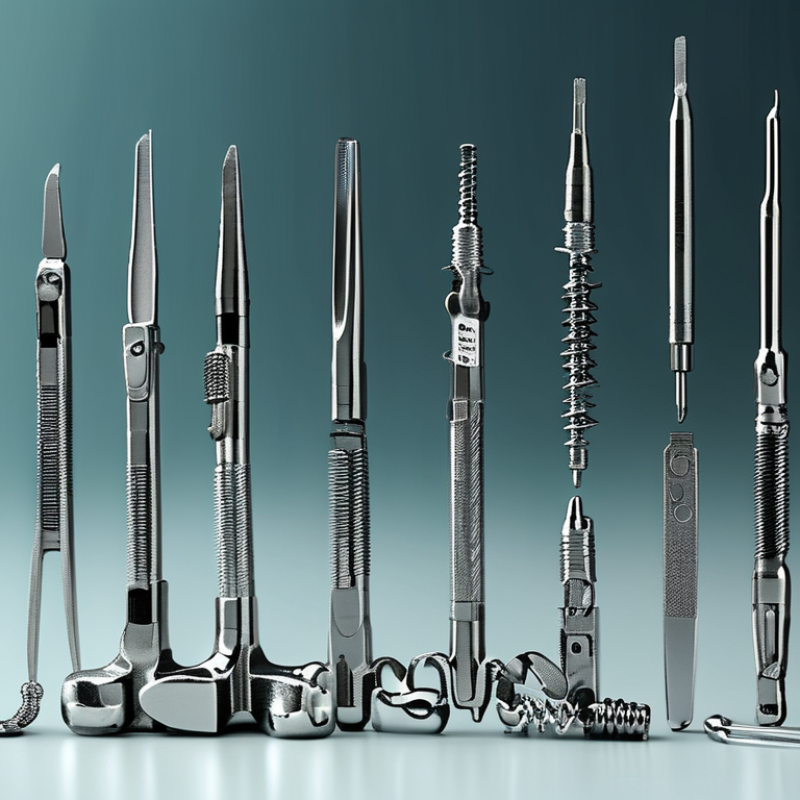
Orthopedic surgical instruments are specialized tools used to cut, shape, hold, expose, repair, or stabilize bone and related tissue. Their scope includes manual and powered devices used in trauma surgery, joint replacement, spine procedures, sports medicine, and reconstructive operations. Common names include bone saws, surgical drills, reamers, osteotomes, chisels, rongeurs, curettes, retractors, reduction forceps, and screwdrivers. These instruments may be reusable or single-use, depending on design, risk control, and hospital policy.
Market data shows why this category requires precise definition. Fortune Business Insights reported that the global orthopedic devices market reached approximately USD 47.16 billion in 2023. It projects continued growth through 2032, supported by aging populations, fracture treatment, and joint disease. Grand View Research also identifies powered instruments, trauma tools, and arthroplasty instruments as important market segments. However, reports often group implants and instruments together. That weakens direct comparisons. A careful buyer should check each report’s product boundaries, region, and forecast method.
Tips: Match the instrument to the surgical task, bone density, and approach. Check grip balance, sterilization compatibility, cutting performance, and maintenance records. A drill can feel efficient but create heat when poorly managed. That detail matters. Clinical training, validated cleaning, and documented inspection should guide selection more than appearance. Definitions are not always consistent. Surgeons, engineers, and procurement teams should confirm terminology before comparing suppliers or technical specifications.
China Top 10 Orthopedic Surgical Instruments Names? — Definition and Scope
The chart presents ten core orthopedic surgical instrument types, ranked by the number of six representative orthopedic procedure categories in which they are commonly used. The scope categories are fracture fixation, joint replacement, spine surgery, osteotomy, arthroscopy, and bone biopsy or tumor surgery. This is a functional scope comparison, not a sales or market-share ranking.
A higher score indicates broader use across the selected orthopedic procedure categories. Common instruments include scalpels, retractors, orthopedic drills, bone saws, osteotomes, reamers, rongeurs, reduction forceps, bone-holding forceps, and surgical mallets.
How China’s Top Orthopedic Instruments Are Selected
China Top 10 Orthopedic Surgical Instruments Names?
How China’s Top Orthopedic Instruments Are Selected
China’s leading orthopedic instruments include bone saws, surgical drills, reamers, osteotomes, rongeurs, reduction forceps, screwdrivers, external fixation sets, arthroscopy shavers, and implant extraction tools. Selection should begin with clinical purpose, not catalogue popularity. Surgeons examine cutting accuracy, grip control, vibration, corrosion resistance, and cleaning access. Grand View Research estimated the global orthopedic devices market at USD 52.4 billion in 2023. This growth increases product choice, but it can also hide uneven quality. A polished surface proves little.
Reliable evaluation uses documented testing. Hospitals should request material certificates, sterilization validation, fatigue results, and traceability records. ISO 13485 supports consistent medical-device quality systems. AAMI ST79 provides detailed guidance for steam sterilization practices. The World Health Organization reported that about one in ten patients experiences harm during healthcare, with more than half considered preventable. Instrument design cannot solve every surgical risk. However, poor balance, blunt edges, or incomplete cleaning channels may add avoidable pressure. I would not pretend that the lowest price is always inefficient. Yet price-only purchasing remains a weak decision.
Tips: Build a weighted scorecard before reviewing suppliers. Give clinical performance the highest score. Test representative instruments with surgeons and sterilization staff. Record hand fatigue after repeated use. Ask for service timelines and replacement-part availability. Reassess the scoring model after six months; real operating-room feedback may expose assumptions that looked reasonable on paper.
China’s Top 10 Orthopedic Surgical Instrument Names
China’s Top 10 Orthopedic Surgical Instrument Names commonly include the orthopedic bone saw, oscillating saw, surgical drill, bone reamer, osteotome, bone chisel, bone rongeur, reduction forceps, bone-holding forceps, and intramedullary nail targeting guide. Each instrument supports a different surgical task. A bone saw creates controlled cuts during joint or bone procedures. A drill prepares holes for fixation. Osteotomes and chisels help shape hard tissue with measured force. Forceps maintain alignment while the surgeon checks position.
The term “top” can mislead. Popular equipment is not always the best choice for every operating room. Surgeons should review material quality, grip comfort, cutting accuracy, cleaning access, and compatibility with existing systems. Reusable instruments also require documented inspection and sterilization procedures. Small hinge gaps can retain debris. A smooth handle can still become slippery with fluid. These details matter during real procedures, yet they are sometimes overlooked.
Tips:
Match each instrument to the planned technique and patient anatomy. Confirm sharpness before use, but do not judge quality by appearance alone. Check locking mechanisms, surface damage, and alignment under proper lighting. Staff training should include handling, cleaning, storage, and inspection. Performance data and regulatory documentation provide stronger evidence than sales language. In practice, even experienced teams may miss a minor defect. A second inspection is worthwhile.
Functions and Applications of Each Instrument
China Top 10 Orthopedic Surgical Instruments Names: Functions and Applications
Orthopedic instruments support cutting, shaping, fixation, and tissue preparation. The WHO reports that musculoskeletal conditions affect about 1.71 billion people worldwide. This burden keeps surgical accuracy important. A bone saw cuts long bones during joint replacement or trauma procedures. An orthopedic drill creates precise holes for screws and fixation systems. A reamer enlarges the medullary canal before implant placement. An osteotome separates or reshapes bone with controlled impact.
A bone rongeur removes small bone fragments around compressed nerves or damaged joints. Reduction forceps hold fractured segments during alignment and temporary fixation. A plate bender adjusts fixation plates to match a patient’s bone contour. An orthopedic screwdriver inserts and removes bone screws with controlled torque. An implant impactor seats components without direct hammer contact. An arthroscopic shaver removes damaged cartilage or soft tissue through small portals. Small tools. Major consequences.
Grand View Research estimated the global orthopedic devices market at about USD 47.4 billion in 2023, reflecting continued demand for specialized instruments. In practice, function depends on sterilization, surgeon training, instrument balance, and tissue condition. A drill may overheat bone if irrigation is inadequate. A forceps may damage the cortex when excessive pressure is used. These risks make inspection and calibration essential. The list is useful, but not absolute; some procedures require imaging guides, patient-specific tools, or different instrument sizes.