What is Bone Plates and How Do They Work in Surgery?
Bone plates are crucial tools in modern orthopedic surgery. They provide stability to fractured bones and aid in proper healing. Dr. Emily Carter, a renowned orthopedic surgeon, states, "Bone plates are the backbone of surgical fracture management." This insight reflects the importance of bone plates in medical practice.
The design of bone plates allows for secure attachment to bone, promoting optimal alignment. A variety of shapes and sizes cater to different fractures. Surgeons carefully choose the right plate based on the injury's characteristics. Despite advancements, challenges persist. Complications, such as infection and misalignment, can occur. Therefore, ongoing education and research are essential.
The effectiveness of bone plates depends on proper application. Surgeons must balance stability with potential complications. Each case presents unique challenges that require thoughtful consideration. As technology evolves, future innovations may further enhance the functionality of bone plates. Still, staying informed about risks and benefits remains critical.

What Are Bone Plates?
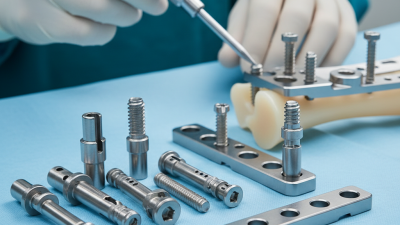
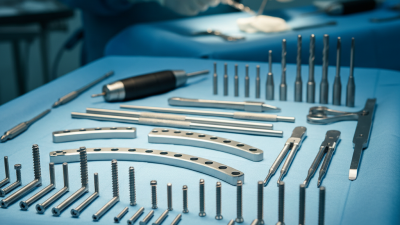
Bone plates are crucial devices used in orthopedic surgery. These metallic constructs stabilize broken bones, allowing them to heal properly. Surgeons usually attach them to the bone's surface using screws. This method provides strong support, keeping the fractured segments aligned.
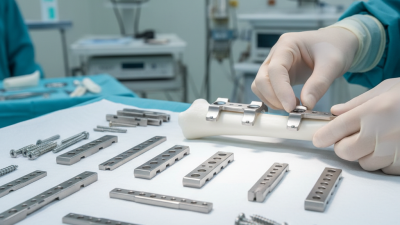
Bone plates come in various shapes and sizes. They can be flat or contoured to match the bone's structure. One key advantage is their rigidity. However, rigidity can also pose risks; if not placed correctly, the plate might cause additional issues like bone stress or improper healing. Surgeries involving bone plates require significant expertise to ensure proper placement.
The healing process after a plate is inserted can vary. Factors include the patient’s age, health status, and the nature of the fracture. After surgery, monitoring is essential. Complications can arise, so regular follow-ups are crucial. Bone plates play a vital role in recovery, but a careful assessment of their use is necessary.
Types of Bone Plates Used in Surgical Procedures
Bone plates play a crucial role in orthopedic surgery. They are used to stabilize fractured bones, particularly in complex cases. Various types of bone plates are available, each designed for specific situations. The most common include dynamic compression plates (DCP), locking compression plates (LCP), and recon plates. DCPs are widely employed for their ability to provide compression across fractures. Meanwhile, LCPs offer enhanced stability, especially in osteoporotic bones.
Locking plates are particularly beneficial in cases where traditional screws cannot achieve the desired fixation. They provide angular stability, reducing the risk of screw loosening. According to a report by the American Academy of Orthopaedic Surgeons, the implementation of LCPs has shown a success rate of over 90% in managing complex fractures.
Choosing the right type of bone plate is essential. Factors like the location of the fracture, patient age, and bone quality influence this decision. Understanding these parameters is vital for successful surgery. Reflection is key here; not every case follows the norm. Each patient presents unique challenges and potential complications.
Careful planning is critical. Surgeons must consider available technology and techniques. Clinical outcomes can improve with advanced imaging methods. It’s essential to stay updated with the latest surgical protocols. Maintaining an open dialogue with the medical team can also enhance the decision-making process.
How Bone Plates Facilitate Bone Healing
Bone plates play a crucial role in orthopedic surgery. They are used to stabilize fractures or bone deformities, allowing for proper alignment during the healing process. When a bone is fractured, the body begins a natural healing response. This response includes inflammation, repair, and remodeling phases. A bone plate provides the necessary support during these phases, ensuring the bones rejoin correctly.
Research indicates that the use of bone plates can significantly speed up healing. A study published in the Journal of Orthopedic Trauma found that patients with bone plates had a healing time reduction of up to 30%. Proper alignment promoted by these plates reduces complications such as malunion or nonunion of the bone. Moreover, early mobilization is encouraged, which is vital for quicker rehabilitation.
However, the effectiveness of bone plates can vary. Not all fractures respond identically to this treatment. Some patients may still experience delayed healing. Factors like age, overall health, and fracture type influence outcomes. A second study in the International Journal of Surgery highlighted that up to 15% of patients may face complications. Continuous research is essential to enhance the effectiveness and design of bone plates to address these issues.
The Surgical Process of Applying Bone Plates
The surgical process of applying bone plates involves careful planning and precision. Surgeons assess the fracture type and location before deciding on the plate design. Most importantly, they ensure the correct alignment of bones. This alignment is crucial for optimal healing. Studies show that malalignment could lead to complications such as non-union or delayed healing.
During the procedure, the surgeon makes an incision near the fracture site. They then expose the bone and fix the bone plate securely. The plate stabilizes the fracture, allowing for weight-bearing sooner. According to a report from the Journal of Orthopedic Surgery, nearly 90% of patients experience satisfactory healing with plate fixation. However, not all cases are perfect. Some patients may develop infections or hardware failure.
Post-operative care is essential. Patients often face rehabilitation challenges. Range of motion exercises are vital to regain function. Data indicates that nearly 30% of patients encounter stiffness in the affected area. Continuous assessment helps ensure that any issues are addressed promptly. This monitoring reinforces the need for a tailored rehabilitation program. Each patient’s recovery pathway is unique.
Application of Bone Plates in Surgical Procedures
This bar chart illustrates the frequency of various surgical procedures where bone plates are applied, showing the number of applications per 1000 surgeries. Fracture fixation is the most common application, followed by osteotomy and spinal fusion.
Post-Operative Care and Recovery with Bone Plates
Post-operative care is crucial when using bone plates in surgery. After the procedure, patients often experience pain and swelling. It's essential to monitor these symptoms. Research shows that around 30% of patients report pain levels significantly affecting their recovery.
Adequate rest and elevation of the injured area can help minimize swelling. Applying ice for 15-20 minutes every couple of hours during the first days post-surgery is recommended. Patients need to follow the surgeon's guidelines on weight-bearing and movement. About 20% of surgical complications in bone plate procedures are linked to inadequate post-operative care.
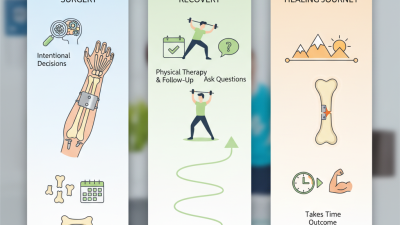
Physical therapy often plays a critical role in recovery. Starting therapy too soon can lead to setbacks. Each person heals at a different rate. Regular check-ups are essential to assess healing. Some patients may face emotional challenges during recovery. It's common to feel frustrated. Finding support, whether through healthcare professionals or peer groups, can make a difference. Listening to one's body and communicating with care providers are vital steps towards a successful recovery.