Top 10 Instrument Screws Manufacturers Worldwide
Choosing the right instrument screws manufacturer requires more than comparing prices or catalog sizes. These small fasteners can influence alignment, enclosure strength, vibration resistance, and service life. In medical instruments, microscopes, sensors, and laboratory equipment, a screw measuring only a few millimeters may support a critical assembly.
This guide introduces ten leading instrument screws manufacturers worldwide. It considers manufacturing experience, material control, thread accuracy, surface finishes, customization, quality systems, and international supply reliability. Common materials include stainless steel, titanium, brass, and specialized alloys. Each material suits different conditions, such as sterilization, corrosion exposure, magnetic sensitivity, or repeated adjustment.
Details matter.
A credible supplier should provide clear drawings, inspection data, batch traceability, and practical technical support. Certifications can strengthen confidence, but they should be verified against the specific facility and product range. A company may serve demanding industries without producing every screw for every application. That distinction deserves attention.
The manufacturers discussed here represent different strengths. Some focus on miniature screws and high-volume production. Others offer custom machining, unusual drive types, or prototypes for specialized instruments. Their capabilities, lead times, minimum order quantities, and documentation may vary considerably. No ranking can replace engineering validation.
Even a respected manufacturer may not be the best fit for a particular instrument. Threads can appear identical while differing in tolerance, material hardness, or coating behavior. Engineers should test samples under real assembly conditions before approval. This overview offers a practical starting point for comparison, while acknowledging that supplier performance can change over time.
Instrument Screws: Definition, Features, and Industrial Applications
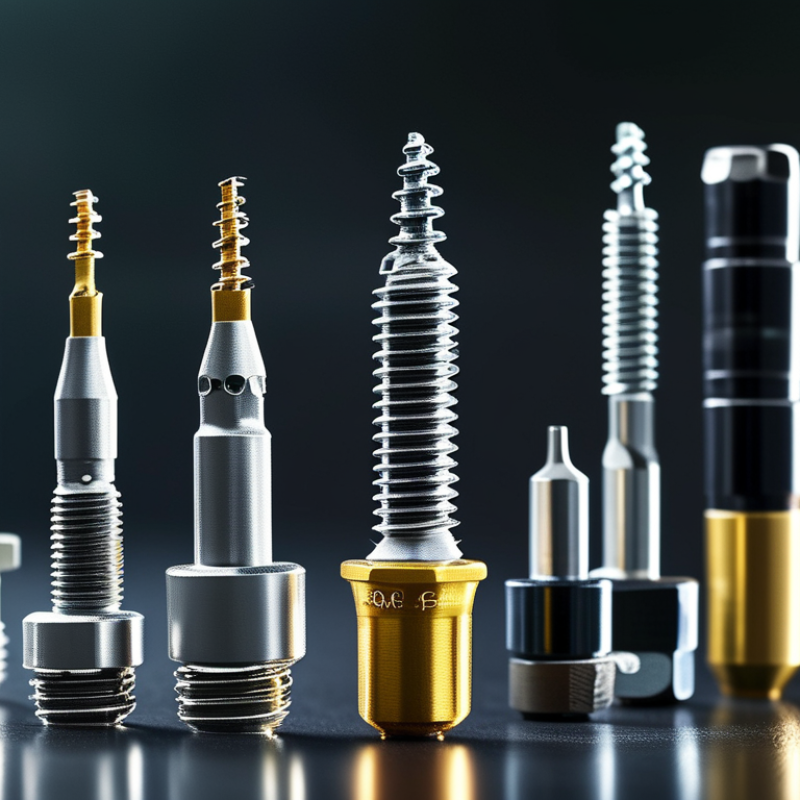
Instrument screws are small threaded fasteners designed to secure precision components without damaging delicate surfaces. They usually feature compact heads, fine threads, controlled lengths, and tight dimensional tolerances. Some have slotted, Phillips, hex, or tamper-resistant drives. Materials include stainless steel, titanium, brass, and engineered alloys. The choice depends on load, corrosion exposure, electrical behavior, and cleaning conditions. A 2024 Grand View Research report estimates the global industrial fasteners market reached approximately US$94 billion in 2023, with a projected 4.6% compound annual growth rate through 2030. This expansion reflects rising demand for reliable miniature fastening systems.
Precision matters more than appearance. Instrument screws must maintain thread engagement under vibration, repeated servicing, and thermal changes. Surface finishing can improve corrosion resistance, but excessive coating thickness may affect fit. ISO metric thread standards help control interchangeability, while documented torque values reduce assembly damage. The weak point is often overlooked: an accurate screw can still fail when the mating hole is poorly machined. A perfect screw does not exist.
Industrial applications include optical instruments, laboratory equipment, medical devices, electronics, aerospace assemblies, and automated inspection systems. In surgical tools, compact screws may hold hinges and removable modules. In optical equipment, they secure mounts while limiting unwanted movement. MarketsandMarkets’ 2024 analysis of precision manufacturing highlights increasing adoption of miniaturized components in automation and medical technology, where repeatability and traceability are critical. Manufacturers should therefore evaluate suppliers through material certificates, dimensional inspection records, torque testing, and batch-level quality controls. Low price alone is a weak selection method.
Top 10 Instrument Screws Manufacturers Worldwide
Instrument Screws: Definition, Features, and Industrial Applications
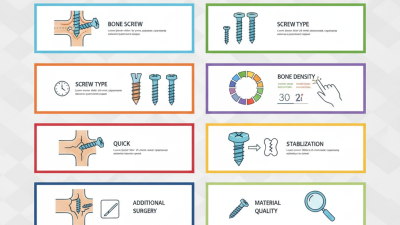
This engineering reference chart compares common ISO metric coarse-thread sizes used in compact instrument assemblies. Nominal diameter and pitch values follow standard metric thread designations, while actual screw selection depends on load, material, corrosion resistance, vibration, access space, and required fastening torque. Typical applications include sensors, control panels, optical equipment, PCB hardware, medical devices, and aerospace instruments.
Top 10 Instrument Screw Manufacturers and Their Core Capabilities
Instrument screw manufacturing demands more than accurate threads. It requires controlled materials, repeatable machining, and reliable inspection. The leading ten manufacturers typically divide their strengths across specialized capabilities. Some focus on miniature screws for cameras, sensors, and surgical instruments. Others produce titanium, stainless steel, or nickel-alloy fasteners for demanding environments. Their workshops commonly use CNC turning, cold heading, thread rolling, laser marking, and automated optical inspection.
Several manufacturers stand out through tight dimensional control, often holding tolerances within a few microns for critical components. Others offer custom head shapes, unusual drive systems, or nonstandard thread profiles. A few combine prototyping with high-volume production, shortening development time for equipment engineers. Clean manufacturing areas, material traceability, and documented testing also separate dependable suppliers from ordinary machine shops. These records can include torque testing, salt-spray exposure, hardness checks, and coating verification.
Still, capability claims need careful review. No manufacturer excels at every requirement. A supplier with excellent miniature machining may lack strong corrosion-testing facilities. Another may offer fast delivery but limited experience with complex alloys. In practical sourcing, I would compare sample reports, inspection methods, tooling control, and response quality before judging factory scale. Pricing alone misleads. Even experienced buyers can overlook burr control or driver engagement, especially on tiny screws. A useful evaluation should examine real samples under magnification, not only polished catalogs. Small inconsistencies remain possible, and that is where supplier audits become valuable.
Manufacturing Standards, Materials, and Quality Control Practices
Top 10 Instrument Screws Manufacturers Worldwide
Reliable instrument screw manufacturers follow documented standards, controlled materials, and repeatable inspection routines. ISO 9001 supports quality management, while ISO 13485 may apply to medical-device production. ASTM specifications help define material performance, dimensions, and testing methods. However, certificates alone prove little. A factory must connect them to daily production records.
Common materials include stainless steel, titanium, cobalt-chromium alloys, and engineering polymers. Material selection depends on strength, corrosion resistance, weight, sterilization exposure, and intended use. Experienced manufacturers verify incoming metal with certificates and, when necessary, chemical analysis. During machining, workers check thread pitch, head geometry, surface finish, and burr removal. Optical systems and calibrated gauges improve consistency. Lot traceability should follow each screw from raw material to final packaging.
Tips: Request sample inspection reports, tolerance charts, and coating details. Ask how rejected parts are isolated. Check whether torque testing reflects real assembly conditions. Small details matter.
Quality control should include dimensional inspection, hardness testing, corrosion evaluation, and functional torque checks. Critical batches may need fatigue or pull-out testing. Clean handling and sealed packaging reduce contamination risks. Still, no process is flawless. I have seen inspection plans miss a practical assembly issue because testing focused only on drawings. Manufacturers should review field feedback, audit suppliers, and revise controls when evidence exposes a weakness. Reliability grows through measured correction, not attractive paperwork.
Comparing Product Range, Customization, Pricing, and Global Reach
Top 10 Instrument Screws Manufacturers Worldwide
Comparing the top ten instrument screw manufacturers requires more than checking unit prices. Strong suppliers usually offer stainless steel, titanium, miniature, threaded, and specialty screws. Their catalogs should cover different head shapes, drives, diameters, and thread pitches. Some companies also support small batches, which matters for prototypes and repair programs. A broad range reduces redesign work. It does not guarantee better performance.
Customization separates experienced manufacturers from simple distributors. Ask whether they provide drawings, material certificates, surface treatments, dimensional inspection, and sample approval. Reliable producers explain tolerances clearly and identify limitations early. Pricing often changes with material grade, tooling, order quantity, packaging, and inspection requirements. The cheapest quotation may exclude testing or export preparation. That mistake becomes expensive later. Global reach also depends on local inventory, stable freight routes, responsive technical support, and realistic delivery dates. A polished website is not proof of dependable service. Rankings can look exact, but they still reflect incomplete information.
Tips: Compare equivalent specifications, not attractive headline prices. Request a sample before placing a large order. Check thread fit with the actual instrument housing. Confirm packaging details, labeling, and replacement policies. Keep communication records. Small omissions can create large delays. I would also score suppliers separately for engineering support, consistency, and delivery reliability. A perfect score is unlikely, and that is worth acknowledging.