2026 Best Orthopedic Supplies for Pain Relief and Recovery Solutions?
Finding the right orthopedic supplies can greatly influence pain relief and recovery. Many people struggle with discomfort from injuries or chronic conditions. The market is filled with options, making it challenging to choose the best products. With the right knowledge and tools, recovery can be more manageable.
Orthopedic supplies encompass a wide range of products. From braces to cushions, these items support healing and mobility. They are not just for athletes; everyday individuals benefit greatly, too. However, it's essential to approach these choices carefully. Selecting the wrong item can lead to frustration and delayed recovery.
Individuals often overlook the importance of quality. Reliable brands offer proven results but may come with a higher price. This raises the question: is the investment worth it? Gaining insights from experts can clarify these concerns. Understanding what works best for specific needs is critical in making informed decisions. Take time to consult with professionals for personal recommendations; this can greatly impact your recovery journey.
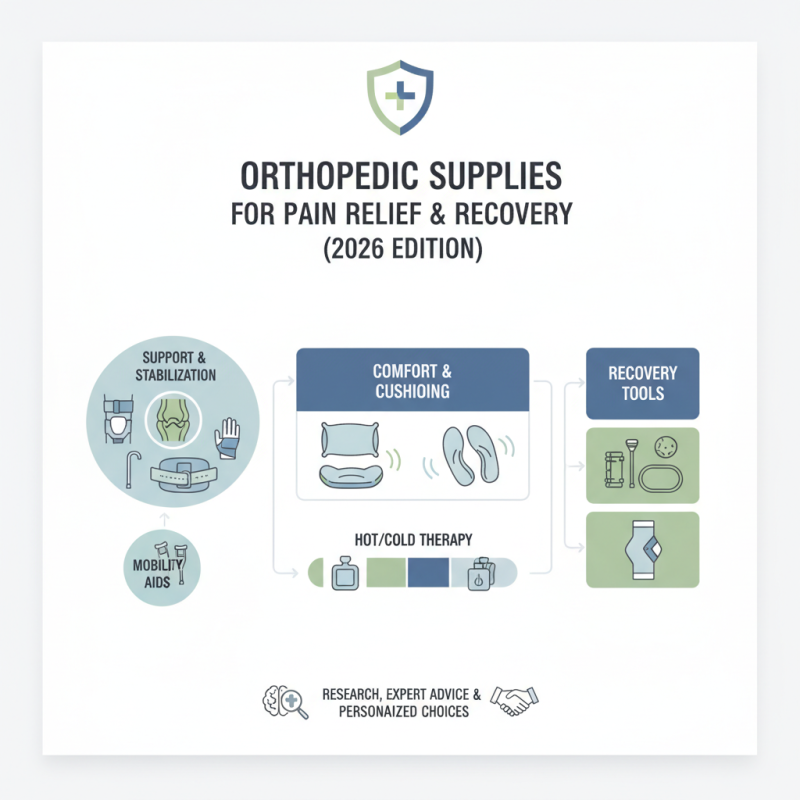
Best Orthopedic Supplies for Pain Relief: An Overview
In the world of orthopedic supplies, pain relief and recovery are crucial. According to a report by the National Institute of Health, over 80% of adults experience back pain at some point. Various orthopedic products can help alleviate this discomfort. For instance, back braces and support belts are widely recommended by professionals. These products assist in posture correction and spinal alignment. They distribute weight evenly, reducing strain on the back.
Another significant category includes joint support devices. Knee and ankle braces play a vital role in recovery for sports injuries. They limit movement, providing stability during the rehabilitation process. The American Academy of Orthopedic Surgeons suggests that knee braces can reduce pain in up to 50% of patients with arthritis. This figure highlights their effectiveness.
Yet, not all orthopedic supplies suit everyone. Individual anatomy and specific conditions must be considered. Some patients might experience discomfort with standard sizes or materials. It's essential to consult with healthcare professionals before selecting products. Customized options are sometimes necessary for optimal support and relief.
Top Features to Look for in Orthopedic Pain Relief Products
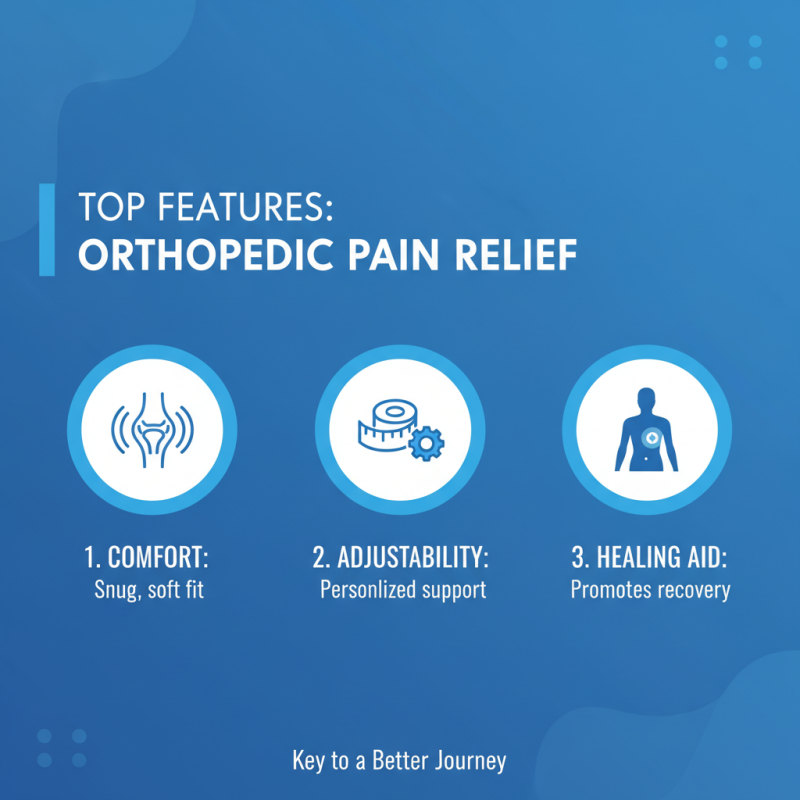
When looking for orthopedic pain relief products, consider the key features that matter most. Comfort is crucial. Products should fit well without causing additional discomfort. A good fit can aid in the healing process. Adjustable features are often beneficial, allowing for personalized use. This adaptability can make a significant difference.
Material quality is another important aspect. Look for breathable fabrics that wick away moisture. This ensures comfort during prolonged use. Support is also essential. Whether it’s a brace or a cushion, adequate support minimizes strain on joints. Choosing the right level of firmness can facilitate better recovery.
Tips for choosing orthopedic supplies: Always read user reviews. This provides insight into their effectiveness and comfort. Also, consult with a healthcare professional. Their expertise can guide you in selecting the right product tailored to your needs. Take it slow. Recovery takes time, and using the right supplies can enhance your journey.
Key Categories of Orthopedic Supplies for Effective Recovery
When considering orthopedic supplies for pain relief and recovery, it’s crucial to explore key categories that support effective healing. According to a report by the National Institutes of Health, around 25% of adults experience chronic pain. This highlights the widespread need for effective orthopedic interventions.
Braces and supports rank high among essential supplies. They provide stability and promote healing for injuries. A study published in the Journal of Orthopedic Research found that proper knee braces can reduce pain by 30% in individuals with osteoarthritis. Proper fit and usage guidelines matter. Many users face challenges in finding the right size or using them correctly.
Chronic pain conditions often require more than just physical support. The role of therapeutic devices, such as TENS units, cannot be overlooked. These devices use electrical impulses to alleviate pain. A review in Pain Medicine indicates that patients report a 40% decrease in pain levels with consistent use. Nonetheless, challenges remain in ensuring accessibility and understanding of such devices. Education is vital for maximizing their potential benefits.
User Reviews and Recommendations for 2026 Orthopedic Products
When looking for orthopedic supplies in 2026, user reviews offer valuable insights. Recent studies show that over 70% of users rely on peer recommendations before making a purchase. This indicates the importance of community feedback in choosing effective products. Reviews can highlight the pros and cons of various items. They reveal what works well and what doesn't, which is crucial for pain relief and recovery.
Many users reported their satisfaction with specific orthopedic supports, like braces and therapeutic devices. However, not all products live up to expectations. Some users found certain supports uncomfortable or ineffective. This raises questions about product testing and quality assurance in the industry. According to a report by the American Academy of Orthopedic Surgeons, about 30% of users experienced disappointment with their selected products.
In seeking the best solutions, it’s essential to consider both effectiveness and comfort. User experiences often reflect real-life challenges and successes. It's wise to be cautious and to weigh all feedback thoroughly. Making informed decisions based on honest reviews may increase the chances of finding orthopedic products that truly provide support and relief.
2026 Best Orthopedic Supplies for Pain Relief and Recovery Solutions