How to Choose the Best Orthopedic Surgery Instruments?
Choosing the right orthopedic surgery instruments is critical for successful surgical outcomes. Recent studies indicate that proper instrument selection can reduce surgery time by 15% and improve recovery rates by up to 20%. The market for orthopedic instruments is projected to exceed $60 billion by 2025, highlighting the increasing demand for quality surgical tools.
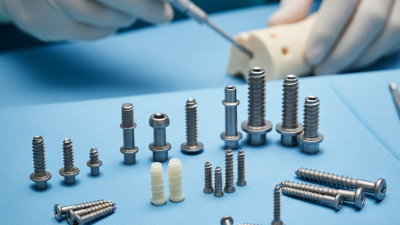
Surgeons face challenges in selecting instruments that meet specific procedural needs. Understanding the types available, such as fixation devices and joint replacement tools, is essential. Additionally, factors like material quality, ergonomics, and precision impact the effectiveness of orthopedic surgery instruments.
Often, practitioners find themselves overwhelmed by options. It’s important to learn from experienced colleagues and trusted sources. Evaluating instruments must not just consider manufacturers’ claims, but also real-world performance data. The right choice can significantly influence both patient outcomes and the efficiency of surgical teams.
Understanding the Types of Orthopedic Surgery Instruments Available
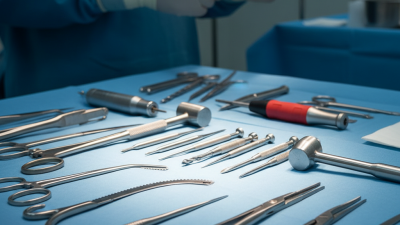
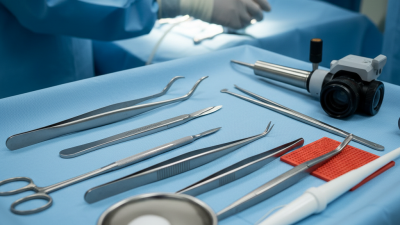
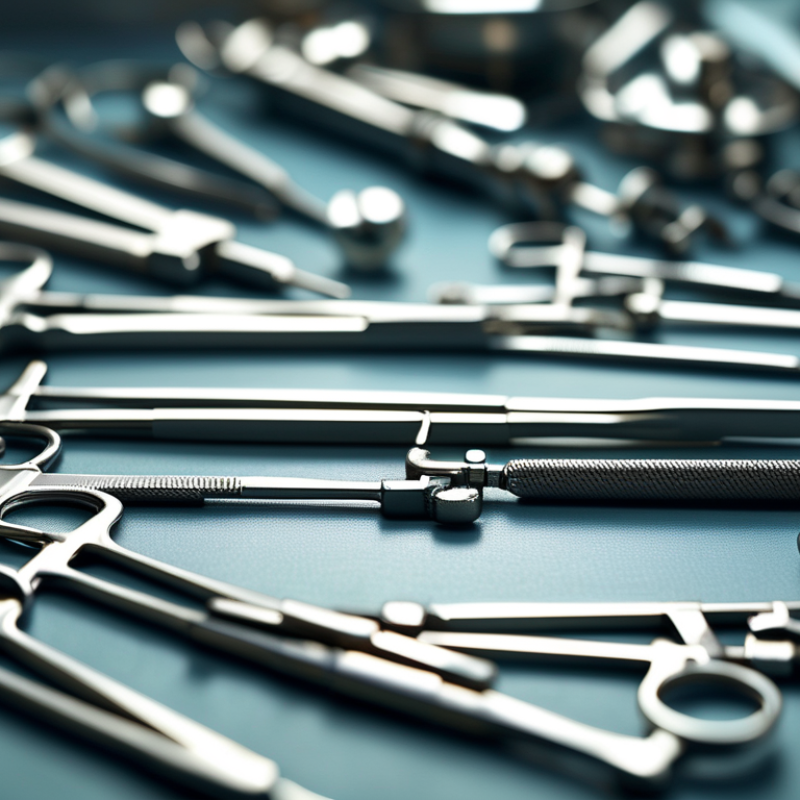
When choosing orthopedic surgery instruments, it’s essential to understand the variety available. Each instrument serves a specific purpose, and knowing these can enhance surgical outcomes. Common tools include scalpels, forceps, and retractors. Scalpels help make precise incisions, while forceps grasp and hold tissues effectively. Retractors, on the other hand, keep incisions open for better visibility.
Moreover, instruments differ in material and design. Stainless steel is popular due to its durability and ease of sterilization. Some tools may be lightweight, while others focus on strength. Carefully consider what each procedure requires. Not every instrument will suit every case.
Surgical teams often face challenges in selecting the right tools. Instrument familiarity varies among staff, affecting performance. Training and practice play key roles in confidence and skill. Ongoing education about instruments can bridge the gap between theoretical knowledge and real-world application. Thus, ensuring the right tools is vital but not always straightforward.
How to Choose the Best Orthopedic Surgery Instruments?
| Instrument Type |
Description |
Common Uses |
Material |
Size Range |
| Scissors |
Used for cutting tissues. |
Tissue dissection |
Stainless Steel |
5-10 inches |
| Forceps |
Used to grasp and hold tissues. |
Holding tissues |
Stainless Steel |
4-10 inches |
| Scalpels |
Used for making incisions in skin and tissue. |
Incision and excision |
Carbon Steel |
Standard blade sizes |
| Drills |
Used for creating holes in bone. |
Bone surgeries |
Titanium, Steel |
Variable sizes |
| Saws |
Used for cutting bone during surgical procedures. |
Bone cutting |
Stainless Steel |
Variable lengths |
Key Features to Consider When Selecting Orthopedic Tools
Selecting orthopedic surgical instruments requires careful consideration of key features. A recent study highlighted that up to 30% of surgical complications stem from inadequate tool selection. Therefore, understanding the essential characteristics of orthopedic tools is vital for success in the operating room.
Durability is a fundamental aspect. Instruments should withstand repeated sterilization cycles without compromising functionality. Material quality influences both the lifespan and performance of tools. High-grade stainless steel is commonly favored for its resistance to corrosion and wear. Additionally, ergonomics play a crucial role. Tools that provide better grip and ease of manipulation can reduce surgical fatigue, ultimately enhancing precision.
Compatibility is another essential factor to consider. Instruments must align with the specific procedures and techniques employed in orthopedic surgeries. Misalignment can lead to inefficiencies and increase the risk of errors. Furthermore, affordability cannot be ignored. While quality is paramount, budget constraints exist. Balancing cost with performance requires strategic decision-making. A transparent approach to sourcing can help maintain both quality and budgetary requirements.
Assessing Quality and Durability in Surgical Instruments
Choosing the right orthopedic surgery instruments requires careful consideration of quality and durability. Many instruments directly impact surgical outcomes. The materials used in instrument manufacturing play a crucial role. Stainless steel is a common choice due to its resistance to corrosion. However, look for instruments that offer a higher-grade steel for better performance.
Durability is not just about material; it’s also about design. Ergonomically designed instruments can reduce fatigue during lengthy procedures. This often leads to improved precision. Regular maintenance and sterilization can extend the life of these tools. However, not all instruments stand up to rigorous cleaning cycles. Some may wear down faster than expected.
Assessing the quality of instruments can be challenging. Visual inspection is one method, but it’s not foolproof. Consider the craftsmanship and feel of each instrument. Do they have a robust structure? Are they comfortable to hold? Reflect on previous experiences with similar tools. Remember, the effectiveness of instruments can greatly vary, even among reputable manufacturers.
Evaluating Cost vs. Value in Orthopedic Surgical Equipment
When evaluating orthopedic surgical instruments, understanding cost versus value is crucial. High-quality instruments often reflect advanced design, materials, and performance. However, price alone does not guarantee better outcomes. The challenge lies in identifying the instruments that truly enhance surgical success while staying within budget.
Tips: Consider the long-term durability of the instruments you purchase. Cheaper options might save money initially but can result in higher replacement costs. Researching the instrument's performance in clinical settings can help you assess its value.
Additionally, don’t overlook the importance of training and support provided by the supplier. Proper training can significantly affect surgical outcomes. Investing in comprehensive education about the instruments may save time and reduce errors in the operating room.
Reflect on the feedback from your surgical team. Their experience and comfort level with different instruments are invaluable. Open communication helps identify which tools enhance surgical efficiency, even if they come at a higher price. Balancing cost with reliable performance is essential for optimal patient care.
Ensuring Compliance with Health and Safety Standards in Surgery Tools
Selecting orthopedic surgery instruments requires strict adherence to health and safety standards. Compliance is essential in ensuring patient safety and surgical efficacy. According to a report by the Global Medical Device Alliance, 70% of surgical errors are linked to improper tool usage or equipment failure. This statistic underscores the necessity for rigorous inspections and compliance checks.
Health organizations emphasize stringent quality controls. Instruments must meet standards set by bodies like the International Organization for Standardization (ISO). Furthermore, studies indicate that adopting standardized surgical instruments can reduce complication rates by 30%. Ensuring each tool's compliance with health regulations mitigates risks associated with surgical procedures.
However, potential pitfalls exist. Some instruments may not undergo proper sterilization, leading to infections. Data reveals that nearly 1 in 25 patients acquires an infection in hospitals, with improper tool use contributing significantly. Surgeons and medical teams must routinely evaluate their inventory, ensuring that each instrument aligns with current health and safety standards. Neglect can have dire consequences, making consistent training and evaluation critical.