What is a Medical Screw and How is it Used?
In the realm of orthopedic surgery, understanding the role of medical screws is essential. Medical screws are specialized fasteners that secure bones during the healing process. Dr. Emily Turner, a renowned orthopedic surgeon, states, "Medical screws are crucial for stabilizing fractures and ensuring proper alignment." Her insights highlight their transformative impact in surgical procedures.
Medical screws vary in design, material, and application. Typically made from titanium or stainless steel, these screws must match the specific anatomy of each patient. Inaccurate placement may lead to complications, leading to reflection on surgical precision. Moreover, the evolving technology surrounding medical screws demands continuous learning for surgeons and healthcare professionals.
Despite their effectiveness, challenges exist. The correct selection of screw type can be daunting, often leading to trial and error. Medical screws bring healing and support, but also a need for careful consideration in their use. Embracing this complexity ensures the best outcomes for patients.
Definition and Purpose of Medical Screws in Healthcare
Medical screws are integral components in various surgical procedures. They play a vital role in stabilizing bones and supporting healing. The primary purpose of these screws is to secure implants and fix fractures. According to a report by ResearchAndMarkets, the global orthopedic screw market is expected to grow significantly, reflecting the rising demand for surgical interventions.
These screws are made from biocompatible materials to ensure patient safety. Surgeons choose specific types based on the procedure and patient needs. A study published in the Journal of Orthopedic Research highlights the importance of screw design in reducing postoperative complications. However, complications can still occur, such as screw loosening or fracture. These issues underline the need for ongoing research and improvement in surgical techniques.
The effectiveness of medical screws also depends on the surrounding biological environment. Patient factors, including age and bone quality, can influence outcomes. While many patients benefit from screw fixation, not all recover smoothly. For instance, some may experience delayed healing. Continuous advancements in orthopedic practices aim to address these challenges, striving for better surgical results.
Types of Medical Screws and Their Specific Uses
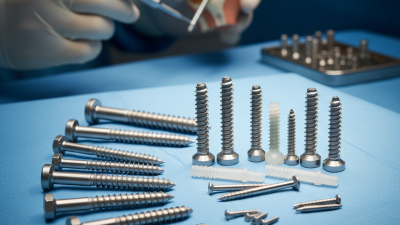
Medical screws play a crucial role in orthopedic surgery. They are used to secure bones in place during the healing process. Different types of medical screws serve various purposes, tailored to specific surgical needs.
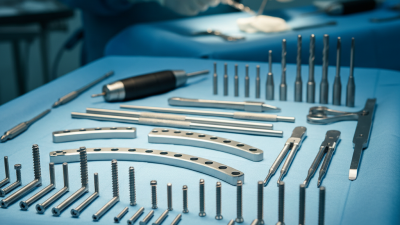
Cancellous screws are widely used in fixing fractures. Their design allows for better grip in soft bone. On the other hand, cortical screws provide stability in denser bone areas. Some surgeons prefer locking screws for complex fractures. These screws offer additional stability through a locking mechanism.
Diverse applications of screws also include spinal surgery, where their precision is non-negotiable. However, choosing the right screw can be challenging. Surgeons must consider the patient’s unique anatomy and clinical situation. The variety in design and function raises questions regarding efficacy. As medical technology evolves, ongoing research is essential to improve these instruments' performance.
Material Composition and Design of Medical Screws
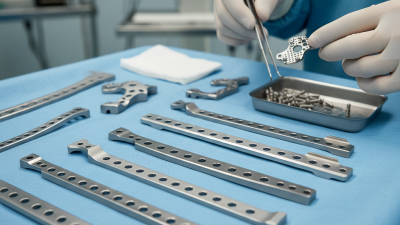
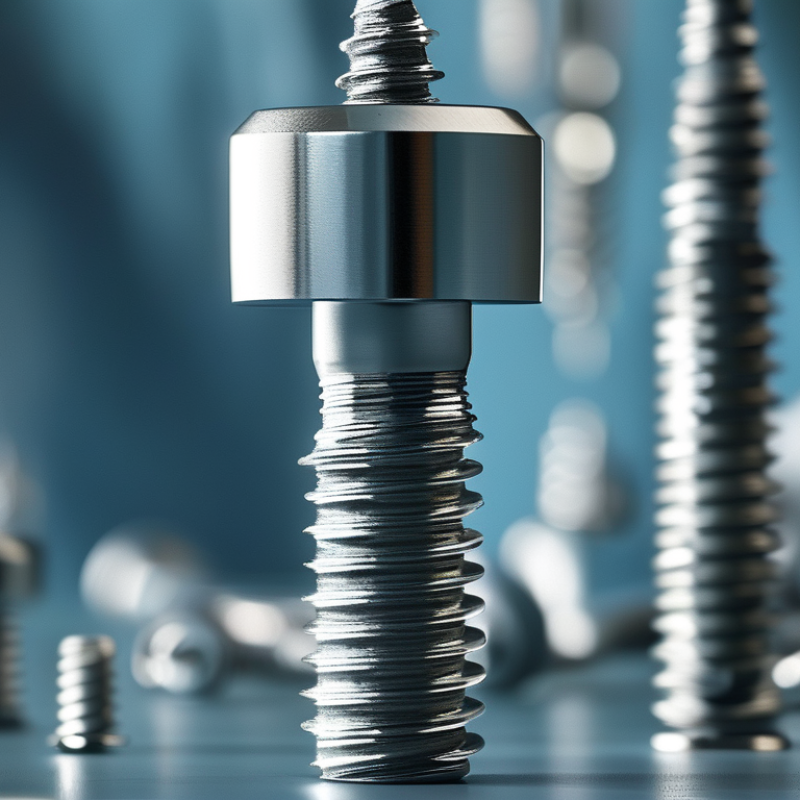
Medical screws are essential in orthopedic surgeries and dental implants. Their material composition and design play a crucial role in ensuring patient safety and device longevity. Most medical screws are made from titanium and stainless steel. Titanium is favored for its excellent biocompatibility and corrosion resistance. Stainless steel, while heavier, offers high tensile strength and durability.
The designs of these screws are optimized based on the specific application. Some have a self-tapping design, which allows for easy insertion into bone. Others feature threads that are closely spaced for improved grip in softer tissues. According to a report by the International Journal of Orthopedic Research, the choice of material can influence the success rate of surgeries by as much as 20%.
Tips: When selecting materials for medical screws, consider biocompatibility and mechanical properties. Evaluate if the surgical environment demands low thermal conductivity. A misstep in choosing the wrong material can lead to complications.
Design specifics can change based on the intended use. For instance, screws used in spinal surgery often have different thread configurations than those used in dental applications. Reflecting on these nuances is vital. A well-designed screw can significantly enhance surgical outcomes.
Surgical Techniques for Inserting Medical Screws
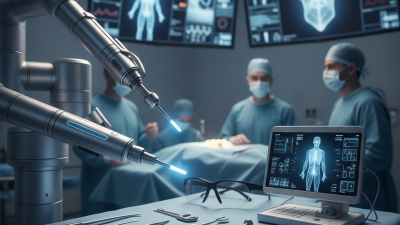
Surgical techniques for inserting medical screws have evolved significantly. Precise placement is critical. Surgeons often use fluoroscopy or CT imaging for guidance. This ensures screws are aligned accurately within the bone structure. In orthopedic surgeries, such alignment is crucial for patient recovery. Research shows that correct screw placement can reduce complications by up to 30%.
The process begins with a consultation and imaging. Surgeons assess the injury or condition. After planning, they make an incision and access the bone. Screws are inserted using special tools. The angle and depth are carefully calculated. Studies indicate that improper placement can increase the risk of revision surgeries by 15%. Surgeons often undergo rigorous training to minimize these errors.
Despite advancements, challenges remain. Each patient’s anatomy varies. Some screws may not secure as intended. Ongoing research aims to improve screw designs. Innovations like bioactive screws are on the horizon. These may enhance healing and reduce infection risk. Overall, the integration of technology in screw placement offers promising outcomes. Yet, it also calls for continuous improvement in surgical practices.
Post-Operative Care and Potential Complications of Medical Screws
Post-operative care plays a vital role in the recovery process after surgery involving medical screws. Following the procedure, patients are typically instructed to keep the site clean and dry. Infection rates for surgical sites can be as high as 5%, according to a report from the Centers for Disease Control and Prevention (CDC). Proper wound management, monitoring for swelling, and adhering to prescribed medications can significantly reduce these risks.
Potential complications associated with medical screws are diverse. Delayed healing or malunion can occur, impacting rehabilitation timelines. A study published in the Journal of Orthopaedic Research indicated that approximately 10% of patients experience issues related to screw fixation, such as screw migration or loosening. These complications often necessitate additional surgeries, increasing both time and healthcare costs. Therefore, it’s essential for healthcare providers to educate patients about signs of complications and encourage timely follow-ups.
Patients sometimes overlook symptoms, thinking they are normal post-operative experiences. This can delay appropriate treatment and complicate recovery. Thus, fostering open lines of communication between patients and healthcare providers becomes crucial in minimizing these risks. Health professionals must emphasize the importance of adhering strictly to post-operative guidelines while remaining vigilant for any warning signs.
What is a Medical Screw and How is it Used? - Post-Operative Care and Potential Complications of Medical Screws
| Dimension |
Description |
| Material |
Titanium, Stainless Steel, Bioabsorbable Polymers |
| Common Uses |
Orthopedic surgeries, spinal fusions, dental implants |
| Length |
Ranges from 10 mm to 100 mm |
| Diameter |
Varies from 2 mm to 8 mm |
| Post-Operative Care |
Pain management, wound care, physical therapy |
| Potential Complications |
Infection, screw loosening, metal allergy |