What Is a Locking Plate and How Does It Work?

What Is a Locking Plate and How Does It Work?

A locking plate is an orthopedic implant designed to stabilize fractured bone. Unlike a conventional plate, its screws lock into threaded holes in the plate. This connection creates a fixed-angle construct. The plate and screws then act more like a stable framework than a simple clamp.

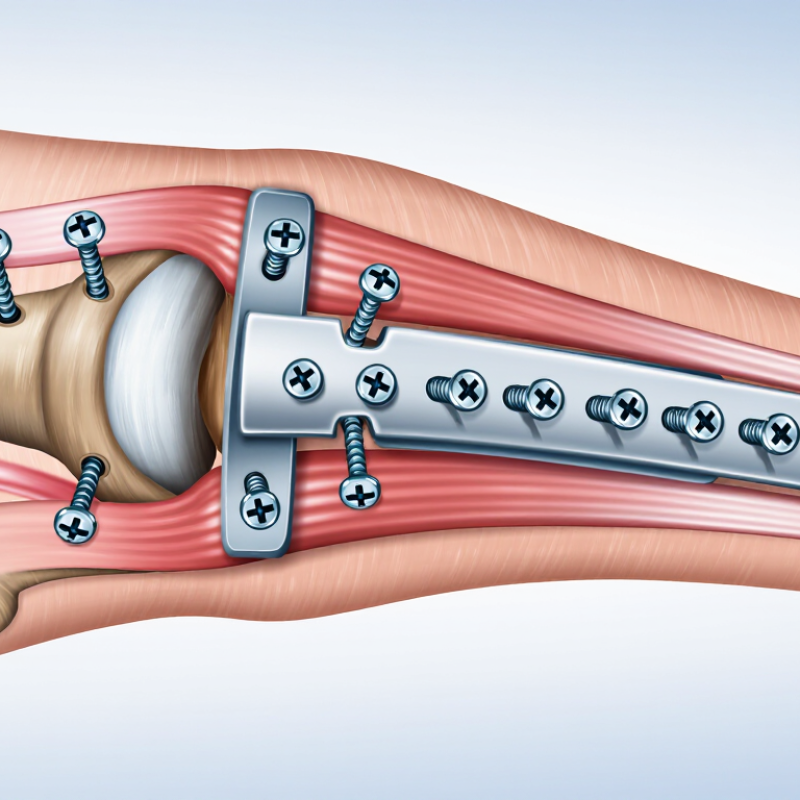
Picture a fractured tibia beneath the skin. The locking plate rests along the bone, while each screw anchors into a prepared hole. The screw head engages the plate thread. This limits screw movement and helps maintain alignment, even when the bone surface is uneven or fragile. It can also reduce the need to press the plate tightly against the bone, potentially preserving local blood supply.

Professor Maurice E. Müller, a pioneer of modern internal fixation, stated, “The aim of internal fixation is to restore the function of the injured limb.” That principle remains relevant. A locking plate is not automatically the best solution. Fracture pattern, bone quality, soft-tissue condition, and surgical technique all influence the decision.

The design has limits. Fixed-angle stability cannot correct poor reduction or replace biological healing. A construct that is too stiff may also affect callus formation. That detail is easy to overlook.

Surgeons must select plate length, screw position, and fixation density carefully. Clinical experience matters here. So does imaging, because a stable-looking construct may still hide malalignment. This article explores the locking plate’s structure, working mechanism, advantages, and practical limitations. It also questions a common assumption: stronger fixation does not always mean better healing.

What Is a Locking Plate and How Does It Work?

What Is a Locking Plate?

A locking plate is a metal support used to stabilize a broken bone during healing. It contains threaded holes that hold specially designed screws at fixed angles. The screw head locks into the plate, creating a stable connection between the implant and bone.

This design differs from a conventional plate. A standard screw usually presses the plate tightly against the bone. A locking screw does not need to create that pressure. Instead, the plate and screws form a fixed-angle framework, which can help maintain alignment in softer bone or complex fractures. The plate may sit slightly above the bone surface. That spacing can reduce pressure on the outer bone tissue and help preserve its blood supply. That matters.

In clinical practice, the surgeon chooses the plate shape, screw direction, and fixation strength according to the fracture pattern, bone quality, and soft-tissue condition. X-rays guide placement, but they do not show every healing factor. A locking plate can improve stability, yet it cannot replace accurate reduction, careful surgery, or healthy biology. Poor positioning, excessive stiffness, infection, and delayed healing remain possible concerns. The technology is useful, not magical. Its success depends on thoughtful planning, follow-up imaging, and the patient’s gradual return to movement.

How the Locking Mechanism Stabilizes a Fracture

What Is a Locking Plate and How Does It Work?

A locking plate supports a broken bone while healing restores its strength. Its key feature is the connection between each screw and the plate. The screw head locks into a threaded hole, creating a fixed-angle unit. This design prevents the screw from wobbling inside the plate. It also helps maintain alignment when the surrounding bone is weak.

The plate acts like an internal splint along the fracture. Locked screws hold bone fragments in a controlled position without pressing the plate tightly against the bone. This can preserve blood flow beneath the plate. The construct shares mechanical forces across the injured area, reducing unwanted movement during early healing. That distinction matters.

In practice, surgeons choose screw length, plate position, and fixation points according to the fracture pattern. Imaging guides placement and checks alignment during treatment. A locking plate is not magic. Excessive loading, poor reduction, infection, or delayed healing can still cause problems. A stable construct may also be too rigid in some situations. That concern requires judgment, not a fixed formula. Follow-up examinations help assess pain, movement, bone healing, and hardware position. Small technical decisions can influence the final result.

Main Components and Available Locking Plate Designs

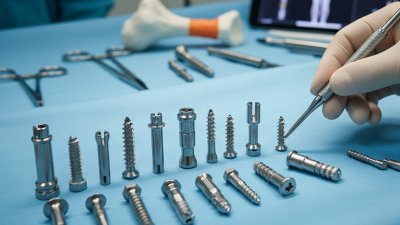
A locking plate is a contoured metal support used to stabilize a broken bone. Its main body contains specially shaped holes for screws. Each locking screw threads into the plate hole, creating a fixed-angle connection. The screw head locks into the plate instead of simply pressing the plate against bone. This can preserve blood supply beneath the plate.

The plate body carries load across the injured area. Locking holes provide angular stability, while combination holes may allow compression or conventional screw placement.

Some designs include rounded ends, tapered tips, or soft-tissue-friendly profiles. These details matter near joints, where bone shape changes quickly. Small differences can affect fit.

Several locking plate designs serve different fracture patterns. Straight or tubular plates may support long-bone areas with limited surface demands. Broad plates can bridge damaged zones and maintain alignment. Periarticular plates are shaped around the knee, wrist, shoulder, or ankle. Distal and proximal designs usually contain clustered holes for short bone segments. Variable-angle holes allow controlled screw direction within a limited range.

Selection is not always obvious. A thicker plate is not automatically safer. Poor contouring, excessive stiffness, or misplaced screws may create new problems.

Surgeons assess bone quality, fracture geometry, soft-tissue condition, and movement demands before choosing a design. Imaging and surgical experience remain essential. The hardware helps, but it does not replace accurate reduction and biological care.

When Locking Plates Are Used in Orthopedic Surgery

What Is a Locking Plate and How Does It Work?

When Locking Plates Are Used in Orthopedic Surgery

A locking plate is a metal support fixed beside a broken bone. Its screws lock into threaded holes in the plate. This connection creates a stable frame around the fracture. Unlike standard screws, locking screws do not rely only on pressing the plate against bone. The construct can protect delicate bone and reduce movement near the break. Stability matters.

Surgeons often use locking plates for complex fractures, weak bone, and areas with limited space. They may help treat fractures near joints, where accurate alignment is essential. These plates are also useful when several bone fragments make traditional fixation less reliable. Not every fracture needs one. The decision depends on fracture shape, bone quality, soft-tissue condition, and the patient’s overall health.

In the operating room, the surgeon studies X-rays and sometimes CT scans before choosing the fixation method. Careful positioning helps preserve blood supply around the fracture. Too much rigidity can also affect healing in certain situations. That tradeoff matters. Recovery requires more than a strong implant. Patients need follow-up imaging, wound checks, and guided movement. Swelling, infection, nerve irritation, or delayed healing can still occur. In practice, decisions are rarely textbook-perfect. Surgeons may adjust the plan when the bone looks different than expected. That judgment comes from training, imaging, and direct surgical experience.

What Is a Locking Plate and How Does It Work? — When Locking Plates Are Used in Orthopedic Surgery

Data Dimension What It Means Clinical or Mechanical Detail Key Consideration
Basic Definition A locking plate is a bone plate that accepts screws designed to lock into the plate. The screw head engages a threaded or otherwise locking interface in the plate, creating a fixed-angle connection between the screw and plate. It functions as a fixed-angle internal fixation device rather than relying only on plate-to-bone compression.
How It Works Locked screws and the plate act together as a single construct. Loads are transferred through the plate–screw framework while the plate can be positioned slightly away from the bone surface. Mechanical stability depends on fracture pattern, plate length, screw placement, bone quality, and construct stiffness.
Primary Stability Principle Stability is produced mainly by angular stability and bridging of the fracture zone. In bridge plating, the plate spans the fracture and preserves relative motion at the fracture site to support callus formation. The goal is usually relative stability, not direct compression of every fracture fragment.
Common Screw Options Locking screws, conventional cortical screws, cancellous screws, or combinations may be used depending on the plate system and fracture. Some plate designs permit both locking and non-locking screw fixation through combination holes. Screw selection and sequence should follow the fracture-reduction and fixation plan.
Typical Fracture Patterns Comminuted, multifragmentary, metaphyseal, periarticular, and osteoporotic fractures are common indications. Fixed-angle support can help maintain alignment when individual fragments are small or when conventional screw purchase is limited. Locking plates are not automatically superior for every fracture; the fixation method must match the fracture biology and mechanics.
Bone Quality They are particularly useful when poor bone quality reduces the holding strength of conventional screws. Because the screw locks to the plate, stability is less dependent on the plate being tightly compressed against the bone. Locking does not eliminate the risk of screw loosening, cut-out, loss of reduction, or fixation failure.
Periarticular Use Locking plates can support fractures near joints where fragments are short and the available bone stock is limited. Multiple fixed-angle screws may be directed into a joint-adjacent fragment to support the articular region. Screw length and position must avoid penetration into the joint surface.
Biological Advantages The plate may be placed without extensive compression against the periosteal blood supply. Reduced disruption of the surrounding soft tissues and fracture hematoma may support the biological healing environment when appropriate surgical techniques are used. Soft-tissue handling, surgical exposure, and fracture reduction remain important regardless of plate type.
Reduction Method Reduction may be achieved before plating or with temporary fixation and reduction tools. A locking plate is primarily a fixation device; tightening a locking screw does not reliably pull a displaced fragment toward the plate. Accurate reduction should be obtained before final locking when anatomical alignment is required.
Load-Bearing Behavior The construct may function as a bridge, buttress, neutralization plate, or compression plate depending on the technique. Longer plates and appropriate screw distribution can reduce local bending stresses in bridge constructs. Overly stiff constructs or insufficient working length may affect callus formation and increase stress concentration.
Potential Benefits Fixed-angle stability, useful fixation in weaker bone, and support for complex or periarticular fractures. Locking constructs can reduce dependence on friction between the plate and bone and may help maintain alignment under functional loads. Benefits depend on correct indication, implant positioning, reduction quality, and postoperative management.
Potential Limitations Higher implant cost, technical demands, difficulty with later removal, and risk of excessive construct stiffness. Malpositioned screws, inadequate reduction, poor plate contour, or inappropriate plate length can compromise results. Locking technology cannot compensate for incorrect surgical planning or unsuitable biomechanics.
Common Complications Infection, delayed union, nonunion, malalignment, implant failure, screw penetration, and soft-tissue irritation may occur. Complication risk varies with injury severity, soft-tissue damage, patient health, bone quality, and surgical technique. Patients require clinical and imaging follow-up to assess healing, alignment, and hardware position.
Postoperative Considerations Weight-bearing and range-of-motion instructions depend on fracture stability, fixation strength, and healing progress. Early controlled motion may be encouraged in selected fractures, while weight-bearing may need to be restricted until sufficient healing is present. The treating orthopedic surgeon determines rehabilitation based on the individual case.
When It May Not Be the Best Choice Simple fractures that can be reliably treated with other methods may not require a locking plate. Alternatives can include non-locking plates, intramedullary nails, screws alone, external fixation, or nonoperative care. Decision-making should consider fracture morphology, soft-tissue condition, patient factors, and expected mechanical demands.
Clinical note: A locking plate is an orthopedic fixation option, not a universal solution. The appropriate implant and fixation strategy must be selected by a qualified orthopedic surgeon after evaluating imaging, fracture characteristics, bone quality, soft-tissue condition, and patient-specific risks.

Key Benefits, Limitations, and Surgical Considerations

What Is a Locking Plate and How Does It Work?

A locking plate uses threaded screw holes to connect each screw firmly to the plate. This creates a fixed-angle structure beside the bone. Unlike conventional plates, the screws do not need to press the plate tightly against the bone. That feature can help preserve blood supply around fragile fractures. It may also support healing in osteoporotic or fragmented bone. However, a locking plate is not automatically stronger. Poor reduction, unsuitable screw length, or excessive loading can still cause failure.

Surgical planning remains essential. The surgeon must assess fracture shape, bone quality, soft-tissue condition, and the patient’s activity level. A plate may need careful contouring, but excessive bending can damage its locking function. Screw placement should avoid joints, nerves, and important blood vessels. Intraoperative imaging helps confirm alignment and screw depth. A plate can look secure during surgery yet fail later. That uncomfortable possibility deserves honest discussion. Infection, stiffness, irritation, delayed healing, and later hardware removal may occur.

Tips: Match the implant length to the fracture pattern. Avoid filling every hole when flexibility is beneficial. Check screw trajectories before final tightening. Protect soft tissue during exposure. Follow-up images should assess alignment, healing, and hardware position. Patient instructions matter too; early heavy loading can overwhelm a construct before the bone has recovered. Decisions should be individualized by a qualified orthopedic professional, because the best fixation method depends on anatomy, injury severity, and healing risks.