Top Instruments Used in Orthopedic Surgery for Successful Outcomes
Orthopedic surgery has transformed significantly over the years. The impact of advanced instruments in orthopedic surgery is profound. Dr. Robert Lane, an esteemed orthopedic surgeon, emphasizes, "The right tools make all the difference in achieving optimal patient outcomes."
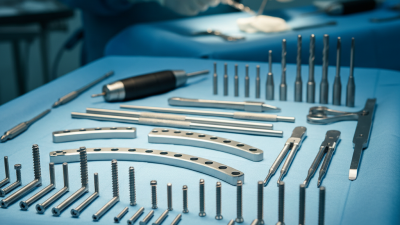
Surgical instruments such as bone saws, drills, and retractors are crucial. Each instrument serves a specific purpose, enhancing precision and efficiency. For instance, a well-designed bone cutter can minimize trauma to surrounding tissues. However, not all instruments are foolproof. Some tools may fail under high-stress situations, requiring surgeons to adapt quickly.
Moreover, the development of technology brings both opportunities and challenges. New instruments may promise better outcomes but can introduce a learning curve for medical teams. It’s essential to ensure that every instrument in orthopedic surgery is carefully evaluated. Continuous training and feedback help maintain high standards. This ongoing reflection on tools in the operating room helps refine techniques and improve results.
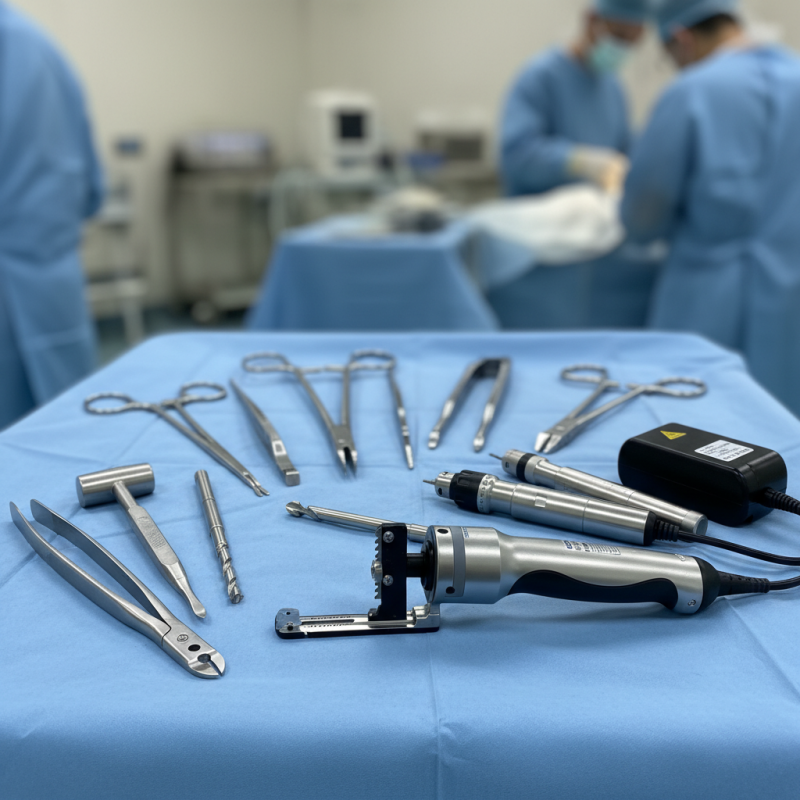
Overview of Orthopedic Surgery Instruments
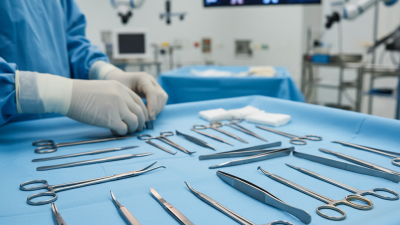
Orthopedic surgery relies on a variety of specialized instruments to ensure successful outcomes. Instruments like scalpels, forceps, and retractors play crucial roles in these procedures. Each tool must be designed for precision and functionality. According to the American Academy of Orthopaedic Surgeons, approximately 27 million people in the U.S. are affected by osteoarthritis, highlighting the need for effective surgical interventions.
Instruments are often categorized based on their use. Cutting tools, such as oscillating saws, are vital for bone procedures. Meanwhile, grasping instruments, like bone clamps, provide the necessary grip to stabilize tissues during surgery. Misuse or improper sterilization of these tools can lead to complications. A study by the Journal of Bone and Joint Surgery indicates that surgical site infections are a persistent risk, suggesting that rigorous instrument maintenance is essential.
Technology has advanced instrument designs, improving outcomes. However, the costs associated with high-tech instruments can be significant. An analysis from MedTech Innovator reveals that orthopedic device markets are projected to grow by 6.3% annually. This growth reflects a demand for better tools but also raises questions about accessibility and affordability for many healthcare facilities. The need for ongoing education in proper tool use remains vital as more complex procedures evolve.
Top Instruments Used in Orthopedic Surgery
This chart represents the usage frequency of various instruments in orthopedic surgery. Scalpel and drills are among the most frequently used, indicating their importance in surgical procedures.
Common Surgical Instruments for Bone Procedures
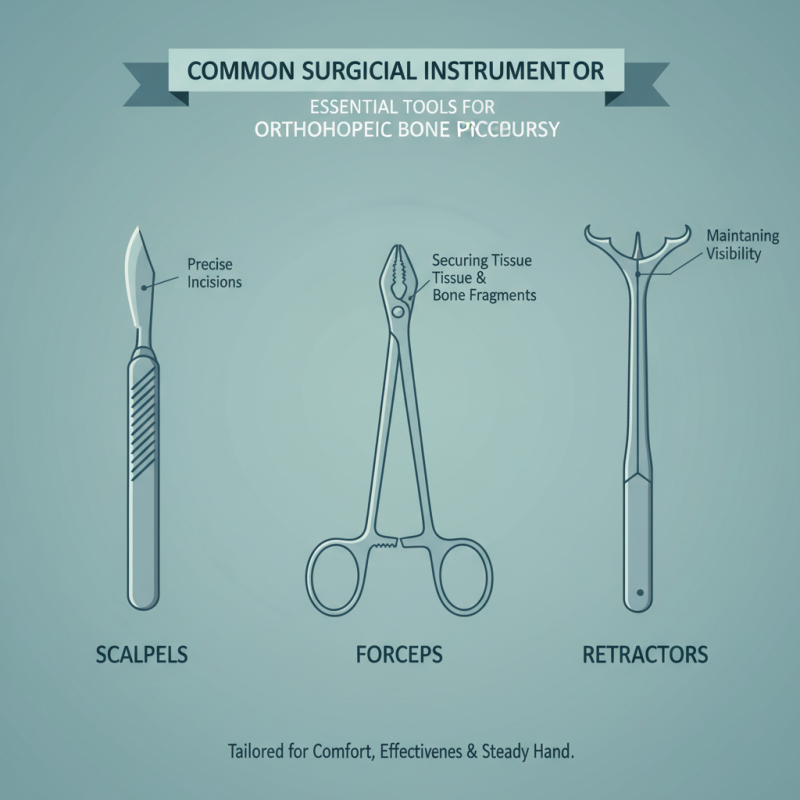
In orthopedic surgery, the right instruments are essential for successful bone procedures. Surgeons rely on an array of tools designed specifically to address various aspects of bone surgery. Common instruments include scalpels, forceps, and retractors. These tools help in making precise incisions and securing visibility during procedures. Their design is tailored for comfort and effectiveness, allowing surgeons to operate with a steady hand.
Bone drills and saws are crucial for cutting through dense bone material. These instruments come in various sizes, catering to different surgical needs. While drills create holes for fixation, saws facilitate sectioning of bones during more complex operations. Despite their efficiency, it is vital for medical teams to regularly assess their performance. Over time, instruments may wear down, affecting their precision and efficacy.
Another essential tool is the bone chisel. This instrument helps shape and carve bones, making it invaluable in joint surgeries. However, the use of chisels requires considerable skill and experience. Misuse can lead to fractures or damage surrounding tissues. Continuous training and adherence to safety protocols are crucial for preventing such complications. Each instrument contributes to the procedure's success, yet the human element remains vital. Proper handling and an understanding of each tool's limitations are as important as the instruments themselves.
Specialized Tools for Joint Replacement Surgeries
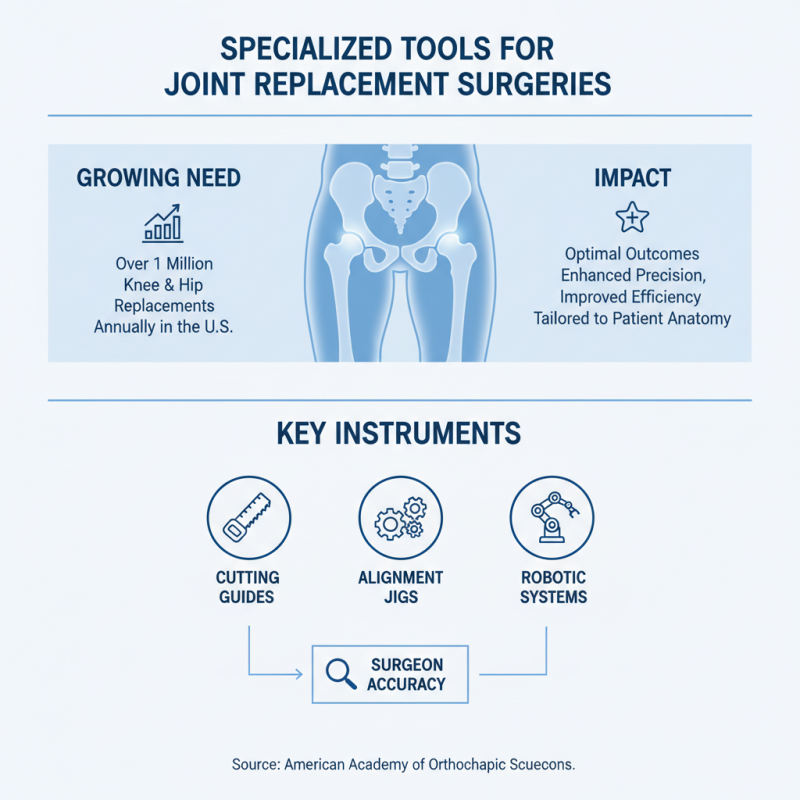
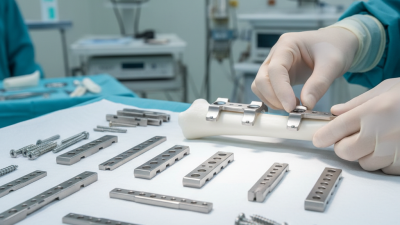
Joint replacement surgeries have become increasingly common in orthopedic practice. According to a report from the American Academy of Orthopaedic Surgeons, over 1 million knee and hip replacement procedures occur annually in the United States. Specialized tools are vital for achieving optimal outcomes in these surgeries. Instruments such as cutting guides, alignment jigs, and robotic systems enhance precision and efficiency. These tools allow surgeons to tailor each procedure to the individual patient's anatomy.
The importance of the surgical instrument's design cannot be overstated. For instance, a well-designed cutting guide can significantly reduce the time spent on bone preparation. However, not all tools perform equally. Variability in instrument quality can lead to complications. Surgeons may face challenges in the accuracy of alignment, which impacts recovery time and overall satisfaction. Research indicates that an accurate alignment increases the longevity of the implants and reduces the likelihood of revision surgery.
Furthermore, the integration of advanced imaging techniques is reshaping orthopedic surgery. 3D imaging can facilitate pre-operative planning, allowing surgeons to visualize the joint in detail. This improved visualization aids in the selection of appropriate tools for each unique case. Nonetheless, relying too heavily on technology raises questions about skill erosion in manual techniques among surgeons. Balancing the use of technology with hands-on experience remains a critical area for ongoing discussion and improvement in orthopedic practice.
Advancements in Technology for Orthopedic Instruments
Advancements in technology have significantly transformed the field of orthopedic surgery. Modern instruments are now designed to enhance precision and reduce recovery times. With the integration of robotics and imaging, surgeons can perform delicate procedures with greater accuracy. This leads to successful outcomes and fewer complications.
Advanced tools like 3D printed implants are becoming more common. These custom solutions fit patients perfectly, promoting faster healing. Digital monitoring systems track progress in real-time, allowing quick adjustments during surgery. Such innovations not only improve efficiency but also create a safer environment for patients.
**Tips:** Always stay updated with new technology and training. Continuous education is vital in this ever-evolving field. Mistakes can happen, and being aware of potential pitfalls ensures better decision-making. Engage with peer reviews and clinical trials to refine techniques and share experiences, fostering a culture of improvement among professionals.
Top Instruments Used in Orthopedic Surgery for Successful Outcomes
| Instrument |
Purpose |
Material |
Latest Technology |
Advantages |
| Scalpel |
Incision |
Stainless Steel |
Laser Scalpel Technology |
Precision cutting, reduced tissue damage |
| Bone Saw |
Bone cutting |
Titanium |
Oscillating Saw Technology |
Efficient cuts, durable |
| Drill |
Drilling holes in bone |
Carbon Steel |
Wireless Surgical Drill Technology |
Increased maneuverability, less clutter |
| Retractors |
Tissue retraction |
Stainless Steel |
Self-retaining Retractor Technology |
Hands-free operation, improved visibility |
| Sutures |
Wound closure |
Synthetic Polymers |
Absorbable Suture Technology |
Reduced need for removal, lower infection rates |
Importance of Instrument Sterilization and Maintenance
Sterilization and maintenance of instruments in orthopedic surgery are crucial for preventing infections.
Research indicates that surgical site infections (SSIs) occur in 1-5% of orthopedic procedures.
Proper sterilization can significantly reduce this risk. Instruments must be cleaned and sterilized to eliminate pathogens.
The Centers for Disease Control and Prevention highlights that nearly 75% of SSIs can be avoided with effective sterilization practices.
Routine maintenance of surgical instruments minimizes wear and tear.
Dull or damaged instruments can lead to increased procedure times and complications.
According to data from the National Institutes of Health, using well-maintained instruments contributes to
faster patient recovery and reduced hospital stays. However, many facilities struggle with maintaining these standards due to resource constraints.
Training staff on proper sterilization techniques is essential.
Inconsistent practices often lead to lapses in infection control.
The World Health Organization states that education can improve adherence to sterilization protocols.
Yet, many healthcare providers still face challenges in implementing consistent training programs. Reflecting on these areas can help institutions improve
overall surgical outcomes.