Essential Tips for Choosing the Right Bone Screws?
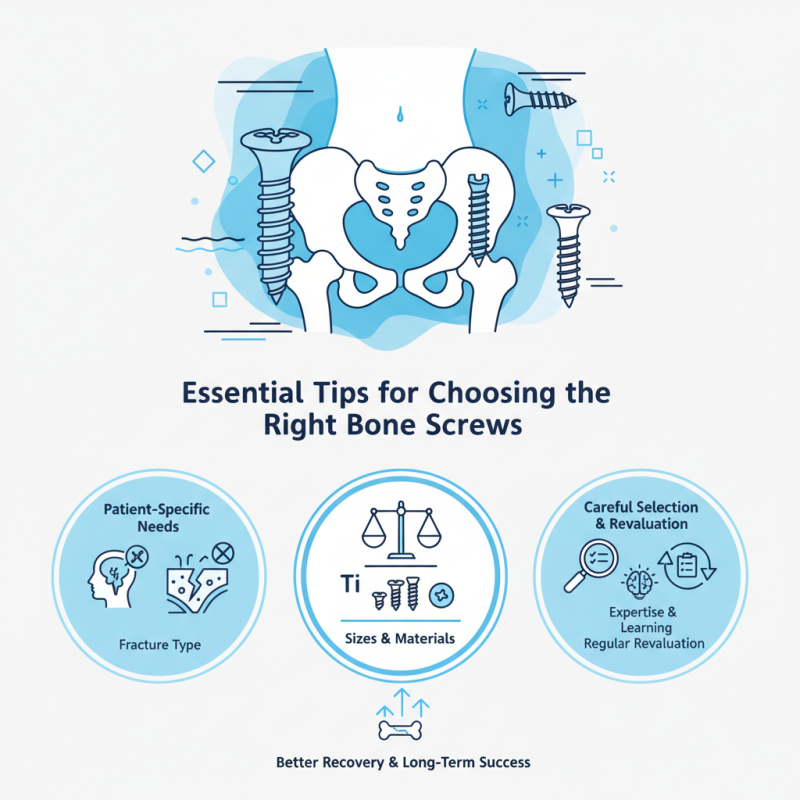
Choosing the right bone screws is crucial in orthopedic surgeries. Dr. Emily Carter, a leading expert in orthopedic technology, once said, "The success of surgical outcomes often hinges on the choice of bone screws." This highlights the importance of careful selection.
Bone screws come in various sizes and materials. Different applications require different types of screws. For instance, titanium screws offer strength but may pose allergies in some patients. The selection process can feel overwhelming, especially for new surgeons.
It is vital to consider the patient's specific needs. Each bone's density and the type of fracture must influence the screw choice. Yet, even seasoned professionals can make mistakes. They might overlook critical details. Every surgeon should reevaluate their choices regularly. The right bone screws can lead to better recovery and long-term success.
Understanding Different Types of Bone Screws and Their Applications
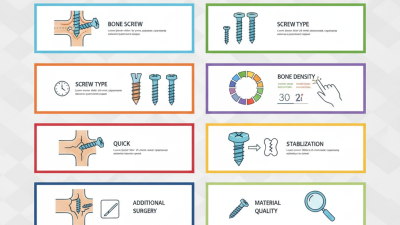
When selecting bone screws, understanding the types and their uses is crucial. There are several categories, including cortical and cancellous screws. Cortical screws have a smaller pitch and are designed for dense bone. They grip well, providing strength in fixation. Cancellous screws have a larger pitch, ideal for softer bone. Their design allows for better purchase in less dense areas.
The materials used for these screws are also significant. Titanium and stainless steel are common choices. Titanium is lightweight and resistant to corrosion, making it suitable for long-term implants. Stainless steel is often stronger but may corrode over time. The choice of material can affect a patient's recovery and comfort. Additionally, some screws are designed to be bioabsorbable, dissolving over time as the bone heals.
One must consider the potential complications as well. Misalignment can lead to failure in healing or even additional surgery. The size and thread type can impact the stability of the fixation. There is no one-size-fits-all approach. Each case demands careful evaluation. Sometimes, the wrong screw might be chosen due to oversight or misjudgment. This emphasizes the need for thorough training and understanding in orthopedic procedures.
Essential Tips for Choosing the Right Bone Screws
This chart illustrates the application count of different types of bone screws used in orthopedic surgeries. Understanding their applications is essential in selecting the right screw for specific procedures.
Evaluating Material Properties for Durability and Biocompatibility
When selecting bone screws, evaluating material properties is crucial. The right materials ensure durability and biocompatibility. Common materials used are titanium, stainless steel, and various polymers. Titanium has outstanding strength and corrosion resistance. Reports indicate that titanium screws have a failure rate of only 1.2% after surgery. This statistic highlights its reliability in orthopedic applications.
Stainless steel is another popular choice. It offers similar strength but may corrode in moist environments. Some studies suggest its failure rates could be higher than titanium, reaching up to 3-5%. Polymeric screws, while lighter and potentially more biocompatible, may lack the mechanical strength of metals. Their long-term performance is less studied, leaving a gap in understanding their durability.
Careful consideration of each material’s properties can lead to better clinical outcomes. The complexity of biological environments adds further uncertainties. With infection risks and implant failures, no material is perfect. Decisions should be data-driven, incorporating clinical evidence and expert insights. Adjustments in material choice based on patient-specific factors might enhance success rates.
Considering Screw Size and Design for Optimal Fixation
Choosing the right bone screws is vital for effective surgical outcomes. A key factor is the screw size. Properly sized screws ensure optimal fixation in bone structures. Too large screws may cause excess pressure, leading to bone damage. Conversely, screws that are too small might not securely hold the bone fragments. Each case is unique, and sometimes determining the right size takes careful measurement.
The design of the screws also plays a critical role. Some screws feature threads that provide better grip. Others come with specialized tips for easier penetration into bone. Surgical teams should assess the fracture type and bone condition before selecting a design. It's essential to experiment with different designs in simulations, but it's not always straightforward. Making mistakes is part of the process. Reflecting on previous choices can lead to better decisions in the future.
Each surgeon's experience adds valuable insights into screw selection. Discussions with peers can refine techniques and approaches. Sometimes, conventional choices do not yield the best outcomes. A deeper understanding of screw characteristics can drive innovation in fixation methods. Adapting to new ideas and methods is essential in surgical practice.
Assessing Surgical Technique and Insertion Requirements
When selecting bone screws for surgical procedures, understanding the technique and insertion requirements is crucial. Reports indicate that 15% of surgical complications arise from improper screw selection. Each indication requires a specific screw type. Surgeons must assess factors like bone density and fracture type. Ensuring the right choice can minimize complications and improve recovery periods.
A common tip includes evaluating screw length carefully. A screw that is too long can penetrate critical areas, causing damage. Conversely, a screw that is too short may not provide adequate fixation. Knowing the depth of the cavity is essential to avoid these pitfalls.
Another important aspect is the angle of insertion. Research shows that screws inserted at an inappropriate angle can lead to reduced stability. Proper angulation enhances load distribution. Additionally, using imaging techniques during insertion can help adjust angles accurately. Always consider post-operative imaging to assess the placement correctly.
Essential Tips for Choosing the Right Bone Screws
| Screw Type |
Material |
Diameter (mm) |
Length (mm) |
Insertion Technique |
Recommended Use |
| Cortical Screw |
Titanium |
3.5 |
40 |
Drilling and Tapping |
Long bone fixation |
| cancellous screw |
Stainless Steel |
4.0 |
30 |
Self-Tapping |
Soft bone fixation |
| Locking Plate Screw |
Titanium Alloy |
3.5 |
45 |
Fracture Fixation |
Complex fractures |
| Interference Screw |
Polylactic Acid |
6.0 |
25 |
Arthroscopic |
ACL reconstruction |
Consulting Manufacturer Guidelines and Clinical Evidence
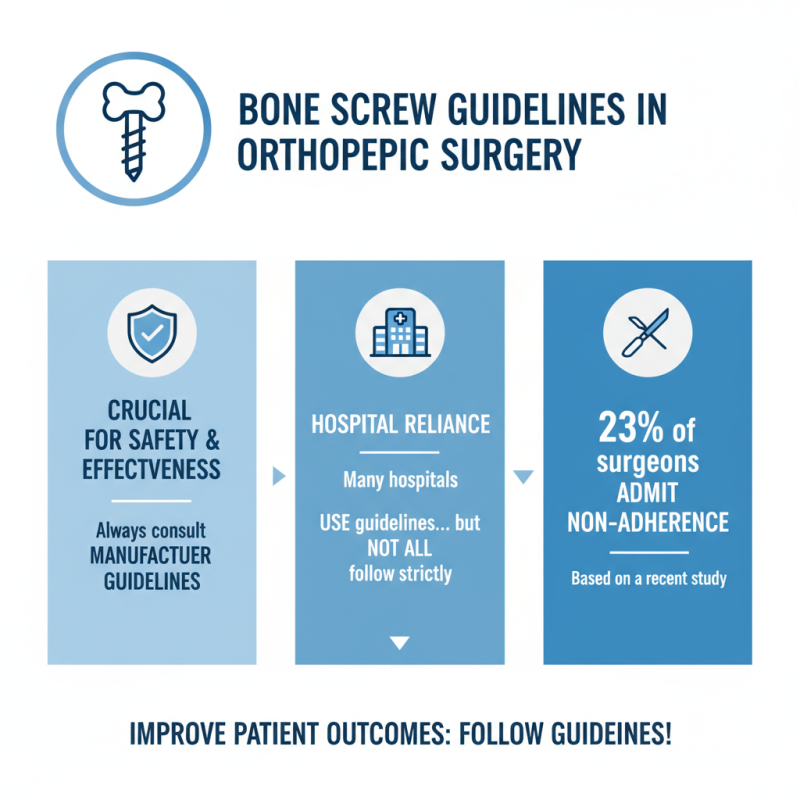
Choosing the right bone screws is crucial in orthopedic surgeries. Consulting manufacturer guidelines is essential for safe and effective use. Many hospitals rely on these guidelines, but not all follow them rigorously. In a recent study, 23% of orthopedic surgeons admitted to not adhering to manufacturer recommendations consistently.
Clinical evidence backs the use of specific types of bone screws for various procedures. For instance, a comprehensive review found that locking screws often have a higher pull-out strength compared to conventional screws. The study highlighted that 45% of fractures treated with locking mechanisms showed improved healing rates. However, only 60% of surgeons reported regularly using locking screws in their practice.
Understanding the material properties is also vital. Many manufacturers emphasize titanium for its strength and biocompatibility. However, some studies suggest that more than 30% of practicing surgeons choose stainless steel instead, due to cost considerations. This decision can impact patient outcomes, leading to complications that could have been avoided.