Why Are Surgical Items Essential in Modern Healthcare?
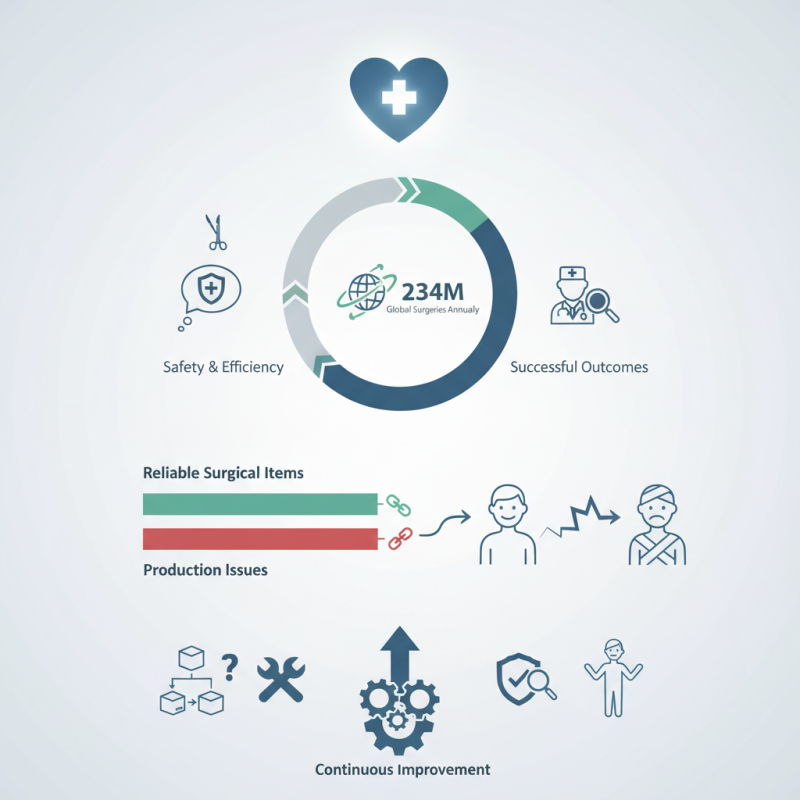
Surgical items are a cornerstone of modern healthcare. They play a critical role in surgical procedures, ensuring safety and efficiency. According to the World Health Organization, a staggering 234 million surgeries are performed globally each year. This emphasizes the importance of high-quality surgical items in achieving successful outcomes.
Dr. Emma Stevens, a renowned expert in surgical practices, remarked, "The quality of surgical items directly impacts patient safety." This statement underscores the imperative need for advanced surgical tools. Inadequate surgical items can result in severe complications and longer recovery times. The availability of reliable surgical items allows medical professionals to perform procedures with confidence.
However, the surgical items industry is not without its challenges. There is a persistent struggle with supply chain issues and quality control. Recent reports indicate that up to 15% of surgical items face issues during production. This poses a risk to patient safety and outcomes. Therefore, continuous improvement in the industry is crucial for maintaining high standards in patient care.
The Role of Surgical Items in Enhancing Patient Safety
In modern healthcare, surgical items play a vital role in enhancing
patient safety. They encompass various tools and devices used during procedures.
According to a report by the World Health Organization, surgical site infections contribute to nearly
one-third of hospital-acquired infections. The right surgical items can significantly reduce these risks.
For instance, the use of sterile instruments and
appropriate sutures minimizes contamination possibilities.
Surgeons heavily rely on high-quality surgical items. Data from the American College of Surgeons
indicates that using specialized instruments can decrease operation time by 20%.
This efficiency not only saves resources but also limits patient exposure to anesthesia. Yet, a lack of training or poor-quality items can lead to
complications. Hospitals must invest in proper training and equipment to avoid these pitfalls.
Tips for Safety: Ensure that all surgical items undergo quality checks. Regularly train staff on proper
handling techniques. Finally, review post-operative outcomes to identify areas of improvement. Inconsistent practices can undermine
patient safety. It's essential to focus on
continuous improvement in the use of surgical items for better care.
Types of Surgical Items Used in Modern Medical Procedures
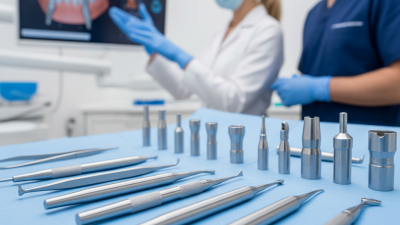
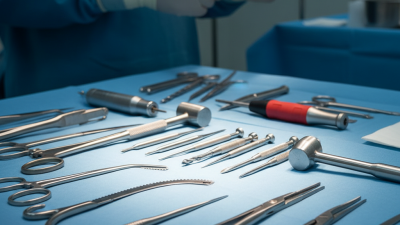
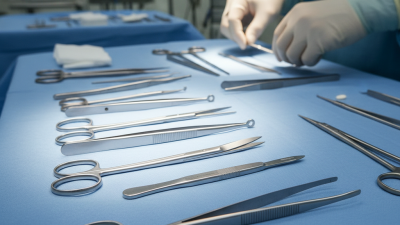
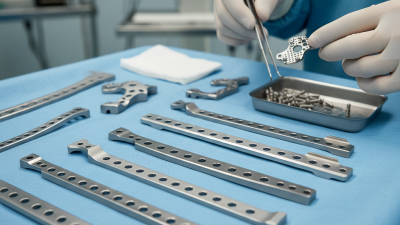
Surgical items play a crucial role in modern healthcare. They vary widely, each designed for specific procedures. Common surgical instruments include scalpels, forceps, and scissors. These tools allow doctors to perform surgeries with precision. Additionally, sutures and staplers are vital for closing wounds effectively. They ensure a patient’s recovery process is smooth.
When considering surgical items, quality matters greatly. Always verify that the tools are sterilized and in good condition. This helps reduce infection risks. Training for medical staff is also essential. They must understand how to handle these instruments properly. Using them incorrectly can lead to complications.
Surgical supplies also include disposables like gloves and drapes. These items protect both patients and healthcare workers. However, the disposal of these items is an area needing attention. Improper disposal can lead to environmental concerns. Reflecting on sustainability in healthcare can lead to better practices. Implementing eco-friendly measures can greatly benefit healthcare.
Impact of Surgical Items on Surgical Outcomes and Recovery Rates
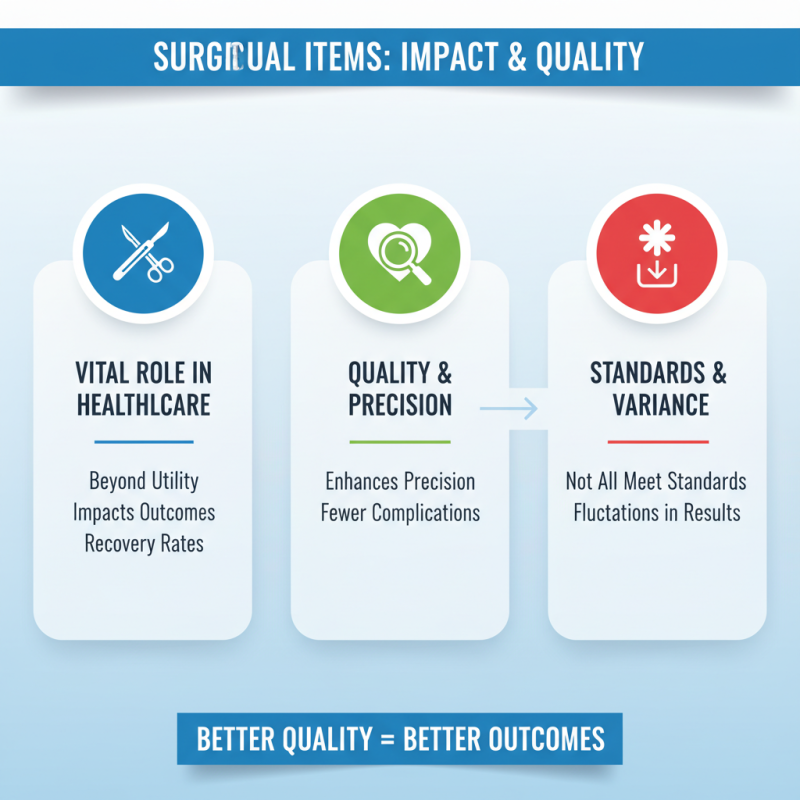
Surgical items play a vital role in modern healthcare. Their purpose goes beyond just utility; they significantly impact surgical outcomes and recovery rates. Quality instruments and materials can enhance precision during procedures. This precision can lead to fewer complications. However, not all surgical items meet the same standards, causing fluctuations in results.
Consider the surgical sutures used to close incisions. Some promote faster healing, while others may lead to scarring. Surgeons often face a dilemma when selecting these items. Their choices can directly influence patient comfort and long-term recovery. A poorly chosen item may lead to infections or extended hospital stays. This reflects the importance of ongoing education and feedback.
Surgical items like clamps and forceps also impact the flow of surgery. If tools are not functional, it can lead to delays and increased stress. A crowded surgical table may hinder a surgeon's dexterity. Each element matters in the delicate balance of a procedure. Sometimes, even minor defects in tools can create challenges during surgery. The focus should be on continuous improvement and vigilance in selecting surgical items.
Technological Advancements in Surgical Tools and Instruments
Surgical tools have transformed dramatically with technological advancements. High-definition cameras now enhance visualization during procedures. Surgeons can see intricate details that were previously invisible. This clarity significantly reduces errors and improves patient outcomes.
Robotic-assisted surgeries are becoming more common. These systems allow for minimally invasive procedures. They offer precision that human hands cannot always achieve. However, reliance on technology can also introduce challenges. Surgeons must adapt continuously to new tools, which can be overwhelming.
3D printing is also making waves in surgical planning. Custom implants and models can be created for individual patients. This tailoring improves surgery efficacy but raises questions about accessibility. Not every healthcare facility can afford these innovations. The future of surgery is bright, yet inclusion remains an ongoing conversation.
Challenges in the Management and Sterilization of Surgical Items
In modern healthcare, the management and sterilization of surgical items present significant challenges. According to a report from the Association for the Advancement of Medical Instrumentation, improper sterilization can lead to post-operative infections. These infections affect up to 1 in 20 surgical patients, highlighting the need for meticulous attention in sterilization processes.
One common issue is the varied protocols for sterilization. Different surgical items require unique methods, from steam sterilization to chemical solutions. This inconsistency can lead to errors. A study by the World Health Organization noted that nearly 30% of surgical instruments are not sterilized according to established guidelines. This gap poses major risks for patients.
Training is also a critical concern. Staff shortages can impair effective handling of surgical items. In a survey, 40% of healthcare workers reported feeling inadequately trained in sterilization procedures. This lack of training can result in increased contamination rates. The situation signifies a pressing need for improved education and consistent practices in healthcare facilities.