What is Orthopedic Surgical Instruments and Their Importance in Surgery?
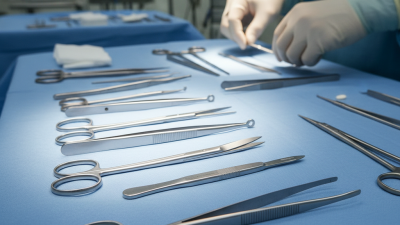
Orthopedic surgical instruments play a crucial role in modern surgery. These tools are essential for treating musculoskeletal conditions. Surgeons rely on them for precision and effectiveness. Each instrument is designed for specific tasks. For instance, a scalpel is used for incisions, while forceps grasp tissue.
The importance of orthopedic surgical instruments cannot be overstated. They directly influence patient outcomes. A well-equipped surgical team can improve recovery times. However, using these instruments requires skill and training. Even minor mistakes can lead to complications. It is vital for surgeons to meticulously check their tools before procedures.
Despite their importance, some orthopedic surgical instruments may not always be perfect. Regular maintenance and careful handling are necessary. Surgical teams often face challenges in ensuring cleanliness and functionality. Continuous education on instrument usage is important for improving surgical success. Embracing these aspects can lead to better patient care. Orthopedic surgical instruments, when used correctly, are invaluable in the operating room.
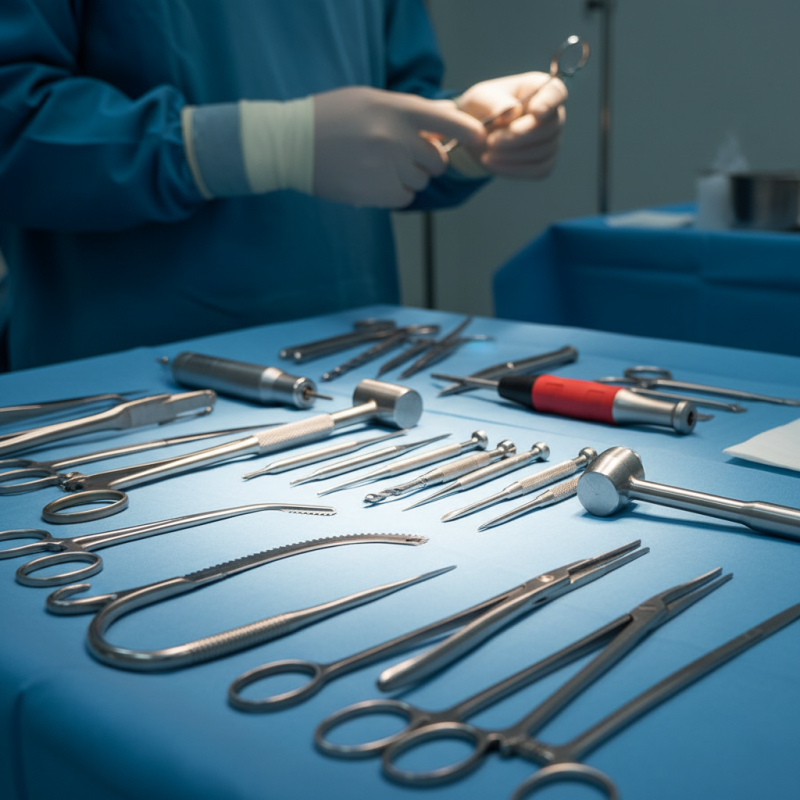
Definition and Overview of Orthopedic Surgical Instruments
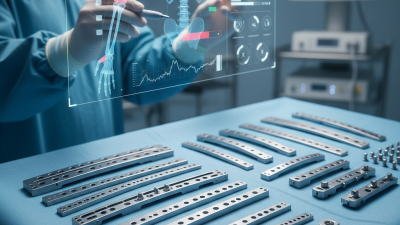
Orthopedic surgical instruments are essential tools in the realm of surgery, particularly for treating musculoskeletal issues. These instruments encompass a range of devices, including saws, drills, and bone plates. Their primary function is to facilitate surgeries on bones, joints, and soft tissues. According to a recent industry report, the global market for orthopedic instruments is projected to grow by 6.5% annually, underlining their importance in surgical settings.
The precision of these instruments can markedly affect surgical outcomes. For example, a study indicated that improper tool alignment could lead to complications in recovery, emphasizing the need for high-quality instruments. Many orthopedic surgeries require specialized tools tailored for unique procedures. However, quality discrepancies exist in the market. Some instruments fail to meet stringent standards, risking patient safety. Surgeons often face the dilemma of choosing between cost and quality, which can impact their decision-making in the operating room.
Additionally, training in the use of these instruments is critical. Inexperienced staff may misuse tools, leading to inefficiencies. This highlights a pressing need for continuous education and training in surgery. The importance of orthopedic instruments cannot be overstated. They are pivotal in ensuring successful surgical interventions and enhancing overall patient care in orthopedic procedures.
What is Orthopedic Surgical Instruments and Their Importance in Surgery?
| Instrument Name |
Description |
Use in Surgery |
Material |
Importance |
| Scalpel |
A small knife with a very sharp blade. |
Used for making incisions. |
Stainless Steel |
Critical for precision cutting. |
| Forceps |
An instrument used for grasping and holding tissue. |
Essential for manipulating tissues during surgery. |
Stainless Steel |
Allows for delicate manipulation. |
| Scissors |
Cutting instruments used for tissue dissection. |
Used to cut skin and soft tissues. |
Stainless Steel |
Enables precise cutting and dissection. |
| Drills |
An instrument for boring holes into bone. |
Critical for orthopedic procedures. |
High-Strength Steel |
Facilitates insertion of screws and pins. |
| Retractors |
Instruments used to hold back tissues. |
Provides visibility and access to the surgical site. |
Stainless Steel |
Essential for clear sight during surgery. |
Types of Orthopedic Surgical Instruments and Their Specific Uses
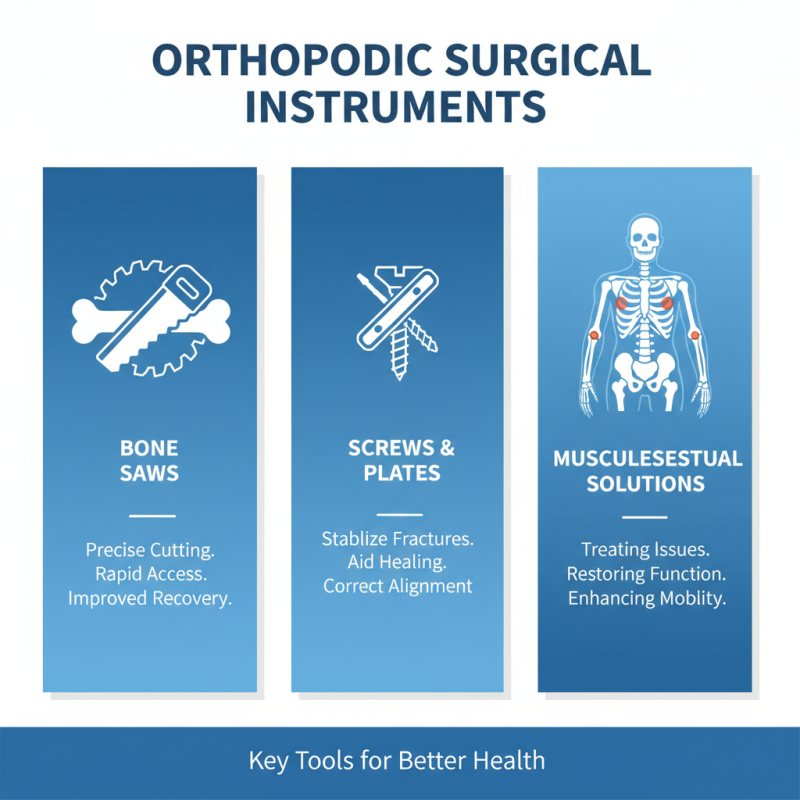
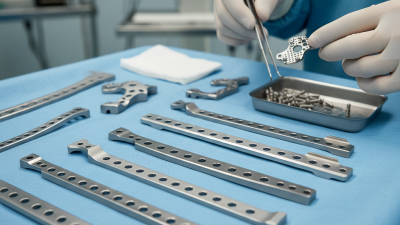
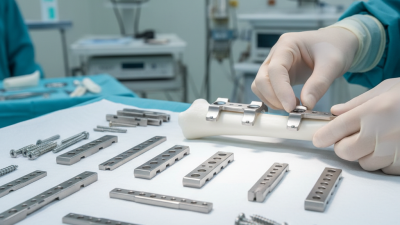
Orthopedic surgical instruments play a crucial role in treating musculoskeletal issues. They come in various types, each designed for specific tasks. For example, bone saws are essential for precise cutting. They allow surgeons to access affected areas rapidly, which can improve recovery times. Screws and plates are used to stabilize fractures, helping bones heal correctly.
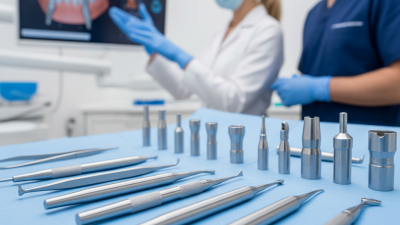
Other important instruments include forceps and clamps. They assist in holding tissues during surgery, ensuring clear visibility. While each tool has its purpose, the experience of the surgeon can make a significant difference. Misuse of instruments may lead to complications. Regular training is vital to continually improve skills and update knowledge.
Moreover, the sterilization of these tools cannot be overlooked. Inadequate cleaning may result in infection. The importance of maintaining these instruments is often underestimated. Investing time in understanding the specific uses of each tool is essential, yet it is easy to overlook this aspect in the rush of medical procedures. Each instrument has its strengths and limitations, and conscious reflection on their use can lead to better outcomes.
The Role of Orthopedic Instruments in Surgical Procedures
Orthopedic instruments play a crucial role in various surgical procedures. They are specifically designed to diagnose, treat, and restore function to the musculoskeletal system. Surgeons use these tools when performing procedures on bones, joints, and soft tissues. Precision is key. The right instrument can make a significant difference in surgery.
In surgery, orthopedic instruments come in different shapes and sizes. There are saws, drills, and clamps. Each tool has a specific purpose. For example, drills help in creating holes for screws. Saws cut through bone with accuracy. It’s fascinating how each piece contributes to the overall success of surgery. However, the complexity of these instruments raises concerns. Improper use or maintenance can lead to complications.
Training is essential. Surgeons must be proficient with each instrument. Mistakes can be costly, impacting patient outcomes. Regular evaluations of surgical techniques and instruments are vital. Awareness of potential pitfalls helps improve surgical practices. The journey to mastering orthopedic instruments is ongoing, with lessons learned from successes and failures.
Importance of Sterilization and Maintenance of Surgical Instruments
Sterilization and maintenance of orthopedic surgical instruments are crucial for patient safety. Proper sterilization eliminates harmful bacteria and viruses. This process involves various methods, like autoclaving or chemical disinfection. Each instrument must be carefully cleaned before sterilization. Neglecting this step can lead to infections during surgery.
Tips for effective sterilization: Always check the manufacturer's guidelines for each instrument. Use sterile covers for instruments during procedures. This helps maintain their cleanliness until they're needed.
Maintenance is equally important. Regular inspection of instruments helps identify damage or wear. Broken tools can compromise surgical outcomes. Ensure all instruments receive regular maintenance. This includes sharpening blades and checking hinges. Some may overlook this, but proper upkeep extends the life of surgical tools.
Tips for maintenance: Establish a routine for checking instruments. Train staff on the signs of wear. Investing time in this task can prevent costly replacements and enhance patient safety.
Importance of Orthopedic Surgical Instruments in Surgery
The chart below illustrates the importance of various orthopedic surgical instruments and the impact of proper sterilization and maintenance on surgical outcomes.
Future Trends and Innovations in Orthopedic Surgical Instruments
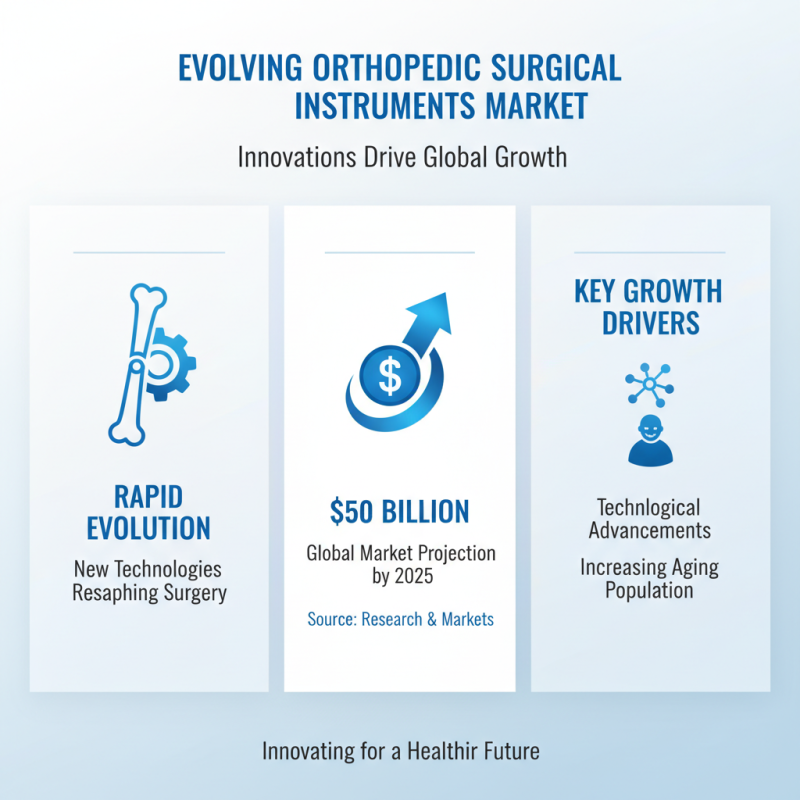
The world of orthopedic surgical instruments is evolving rapidly. Innovations are reshaping how surgeries are performed. According to a recent report by Research and Markets, the global orthopedic surgical instruments market is projected to reach $50 billion by 2025. This growth is driven by advancements in technology and an increasing aging population.
Robotic-assisted surgeries, for instance, represent a significant trend in orthopedic instruments. These systems enhance precision and reduce recovery time. Data shows that hospitals using robotic technology report a 30% decrease in surgery duration. However, the adoption rate remains uneven. Not all medical facilities can afford such advanced technologies. This creates disparity in patient care.
Another exciting development is the rise of 3D printing. Custom orthopedic implants can be produced quickly, tailored to individual patient needs. A study from the Journal of Orthopedic Research indicates that 3D-printed implants show better integration with bone tissue. Yet, there are challenges. Regulatory hurdles and the need for technical expertise can slow down implementation. As the industry moves forward, these innovations highlight both potential and areas for improvement in orthopedic surgical practices.