Why Are Bone Screws Essential in Modern Orthopedic Surgery?
In modern orthopedic surgery, bone screws play an indispensable role. Dr. John Smith, a renowned orthopedic surgeon, states, "Bone screws bridge the gap between healing and mobility." This illustrates their significance in stabilizing fractures and securing implants.
Bone screws come in various designs and materials. They ensure stability in complex surgeries, facilitating better patient recovery. The precision involved in inserting bone screws can sometimes lead to complications. Surgeons must constantly refine their techniques to avoid potential errors.
Every case is unique, presenting new challenges. Despite advancements, achieving optimal outcomes isn't guaranteed. The field must continually innovate and adapt. Bone screws represent both a solution and a reminder of the ongoing journey in orthopedic medicine. The necessity of improvement in surgical practices remains evident as we strive for excellence.
The Role of Bone Screws in Orthopedic Surgery
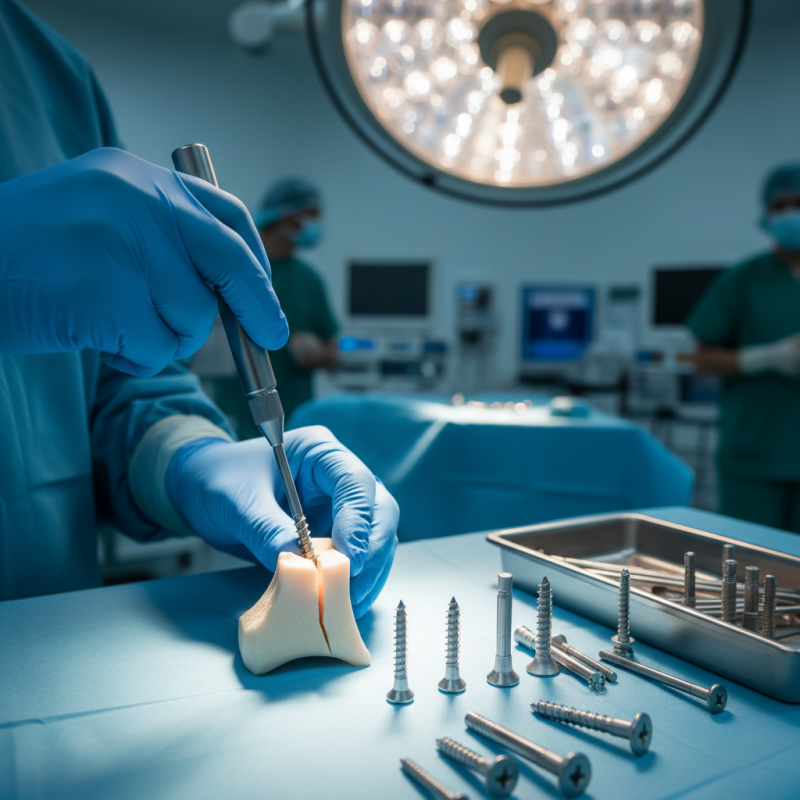
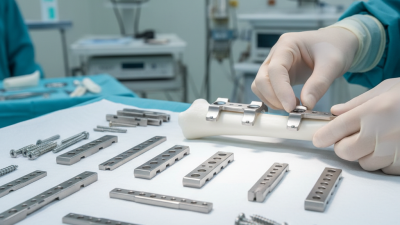
Bone screws play a vital role in orthopedic surgery. They provide stability and support to fractured and damaged bones. Surgeons use these screws to firmly hold bones together during the healing process. This promotes proper alignment and reduces the risk of complications.
The design of bone screws varies depending on their purpose. Some screws are designed for compact bone, while others work for cancellous bone. Each type has specific features that enhance their grip and stability. Surgeons often face challenges in selecting the right type. Mistakes can lead to improper healing and prolonged recovery times. Communication among surgical teams is essential to mitigate these risks.
In some cases, bone screws may not achieve the desired outcomes. Reactions to the materials or improper placement can hinder recovery. Surgeons must consider these factors carefully. Continuous learning and reflection on past surgeries help improve techniques. It is crucial to stay updated in this ever-evolving field.
Types of Bone Screws Used in Surgical Procedures
Bone screws play a pivotal role in modern orthopedic surgery. They stabilize fractures and promote healing. Different types of bone screws cater to various surgical needs. Each type has its unique advantages and applications.
For example, cortical screws are widely used for their strong grip in dense bone. They often feature a finer thread for maximum torque. In contrast, cancellous screws possess a coarser thread design. This allows them to engage softer, spongy bone effectively. According to the Orthopedic Research Society, about 70% of orthopedic procedures utilize these specialized screws.
Another category includes locking screws. These screws provide added stability to plate-screw constructs. They are particularly effective in areas subject to high forces. A recent study indicated that locking screws reduce the risk of fixation failure by 30%. However, they may increase surgical complexity. Some surgeons express concerns about their learning curve. Overall, the choice of bone screws can greatly influence patient outcomes.
Mechanisms of Action: How Bone Screws Stabilize Fractures
Bone screws play a vital role in modern orthopedic surgery. They are primarily used to stabilize fractures and promote healing. When a bone breaks, alignment is crucial. Bone screws help maintain this alignment during the healing process. They are inserted through the fractured bone, holding fragments together. This movement of the screws creates mechanical stability, allowing the natural healing process to take over.
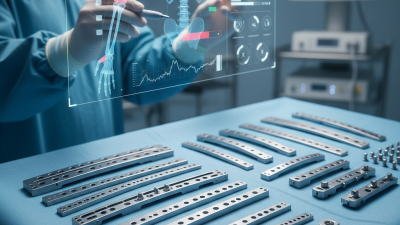
In addition, bone screws can be adjusted during surgery for optimal positioning. Surgeons often use various types of screws depending on the fracture's nature and location. For example, locking screws provide enhanced stability by locking into a plate, while standard screws allow for more movement if needed. Each type has its pros and cons, which require careful consideration.
Tip: Always consult with your orthopedic surgeon about the specific type of screws used in your treatment. Understanding the mechanisms behind your surgery can ease concerns and improve trust in the process.
Healing may not be straightforward for everyone. Complications can arise in some patients. Infections or poor bone quality can affect stability. Regular follow-ups are essential to address any issues that may develop after surgery.
Tip: Communicate openly with your healthcare provider about any feelings of discomfort or concerns during recovery. Early intervention can make a significant difference in your healing journey.
Benefits of Bone Screws Over Traditional Fixation Methods
Bone screws are a game changer in modern orthopedic surgery. They offer several advantages over traditional fixation methods, such as plaster casts and metal pins. Research indicates that bone screws can reduce healing time by up to 30%. This shorter recovery allows patients to return to daily activities faster. Improved stability during the healing process is another notable benefit. Bone screws grip the bone tightly, minimizing movement at the fracture site.
Another important point is the versatility of bone screws. They can be used in various surgical applications, from simple fractures to complex reconstructions. According to a study published in the Journal of Orthopedic Research, the success rate of healing with bone screws is nearly 95% for certain types of fractures. However, there are challenges. Not all patients are suitable candidates for this method, and improper screw placement can lead to complications. Surgeons must weigh the potential risks against the benefits for each individual case.
In addition, bone screws may sometimes cause complications like infection or loosening. Awareness of these risks is crucial for both patients and surgeons. Despite their drawbacks, the advancements in screw design have significantly improved outcomes. Enhanced materials and coatings reduce complications, making them a preferred option for many orthopedic procedures. This evolution indicates an ongoing commitment to optimizing surgical practices in orthopedic care.
Future Innovations in Bone Screw Technology for Orthopedic Use
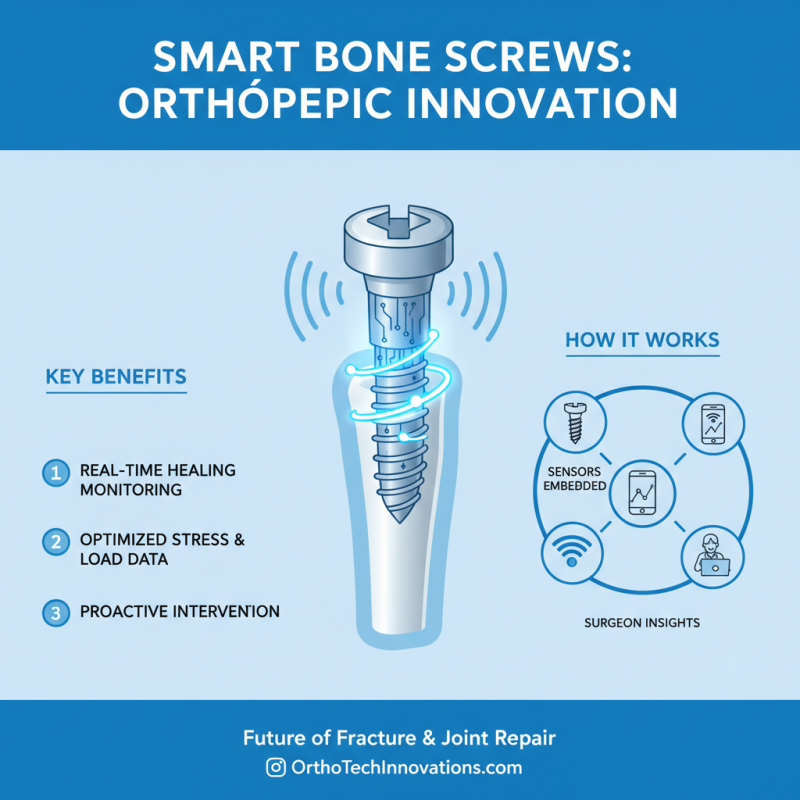
The future of bone screw technology in orthopedic surgery holds great promise. Innovations are reshaping how surgeons approach complex fractures and joint replacements. Smart screws, for example, integrate sensors to monitor healing. They can provide real-time data on stress and load, allowing for timely interventions. Imagine a screw that not only holds bone together but also communicates vital information.
Another exciting development is the use of bioresorbable materials. These screws dissolve over time, eliminating the need for removal. It’s a compelling solution for the younger population who may need multiple surgeries. However, these materials must be strong enough to withstand initial loads. Finding the right balance is a challenge that researchers must address.
3D printing technology is also revolutionizing bone screw design. Custom screws can be created to fit a patient's unique anatomy. This personalization could improve surgical outcomes significantly. Still, the adoption of new technologies needs careful evaluation. Each innovation must undergo rigorous testing to ensure safety and effectiveness. Orthopedic surgeons are keen, but patience is vital. Mistakes can be costly, and reflection on past failures is crucial for progress.