How to Choose the Right Orthopedic Bone Screws for Your Surgery?
Choosing the right orthopedic bone screws for surgery is a crucial task. These implants play a significant role in stabilizing fractured bones. Selecting the wrong type can lead to complications.
Surgeons must consider various factors when selecting orthopedic bone screws. The material, size, and design are important. Each patient is unique, and their specific conditions influence the choice. A one-size-fits-all approach often fails.
It's essential to stay updated with the latest advancements in orthopedic bone screws. New materials and designs can offer better outcomes. However, relying solely on the latest trends without thorough evaluation can be risky. Surgeons should balance innovation with proven methods. This careful consideration can greatly impact patient recovery and success.
Understanding the Basics of Orthopedic Bone Screws
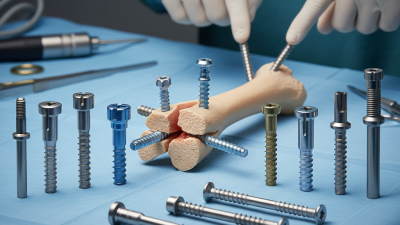
When selecting orthopedic bone screws, it's vital to understand their basics. Bone screws are critical for stabilizing fractures and facilitating healing. They come in various types, materials, and sizes. Common materials include stainless steel and titanium. Each material has unique properties that influence strength and biocompatibility.
Choosing the right screw involves several factors. The fracture type, patient health, and bone quality all matter. For example, some fractures require robust fixation, while others may need less invasive options. Surgeons often face challenges in matching screw characteristics with patient needs. A thorough evaluation can prevent complications and enhance recovery.
Tips: Always consult with a qualified orthopedic specialist. They can help assess the specific requirements of the surgery. Ensure you understand the potential risks associated with different screw types. Communication between the surgical team and the patient is crucial for optimal outcomes. Taking extra time for this step is worthwhile.
Types of Bone Screws: Choosing the Right Design for Your Needs
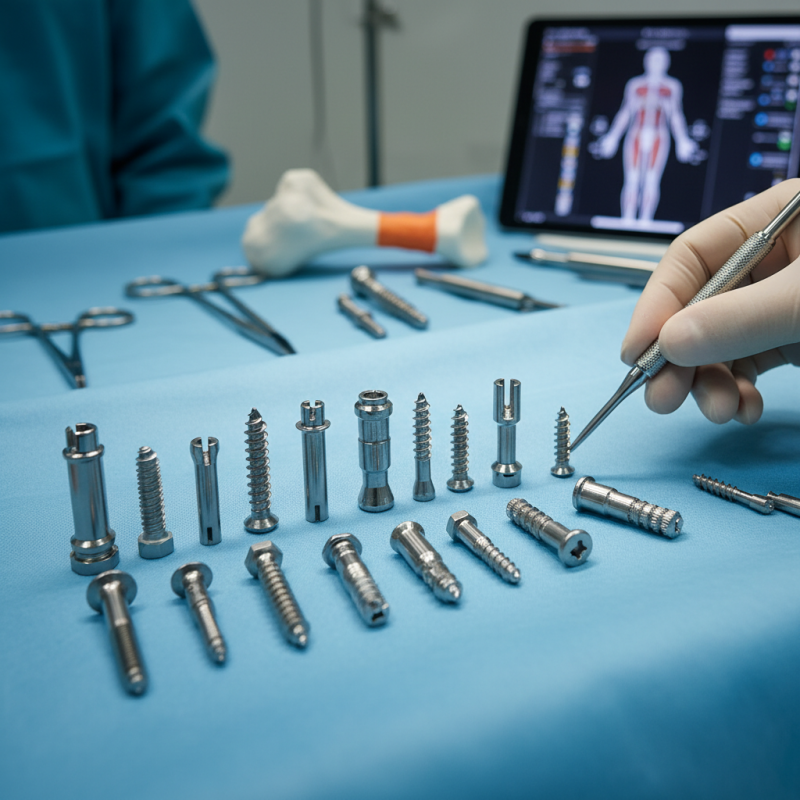
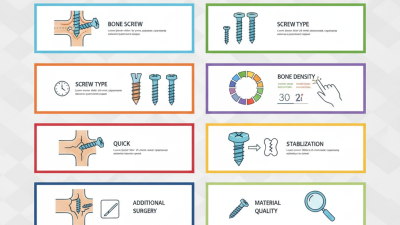
Choosing the right orthopedic bone screws is crucial for successful surgeries. Different types of bone screws offer distinct designs tailored for specific applications. Common screw types include cortical screws, cancellous screws, and locking screws. Each type serves a unique purpose and has varying benefits based on the bone quality and fracture type. For instance, cortical screws are designed for dense bone fixation, while cancellous screws are more appropriate for softer, spongy bone areas.
A report from the American Academy of Orthopaedic Surgeons states that the right choice of screw can improve healing rates by up to 30%. Patients experience fewer complications when the suitable screw design is used. It's also important to consider screw diameter and length, as they directly impact stability and the eventual recovery.
Tips: Always check your institution's guidelines for the recommended screw types. Collaborate with surgical teams to ensure everyone agrees on the choices. Reflecting on past surgeries can help identify patterns in screw performance. In some cases, surgeons find they have had mixed results with certain screw types. Keeping detailed records can guide future decisions. The right screw choice is not just about design; it's about patient outcomes.
Types of Orthopedic Bone Screws
Factors to Consider When Selecting Bone Screws for Surgery
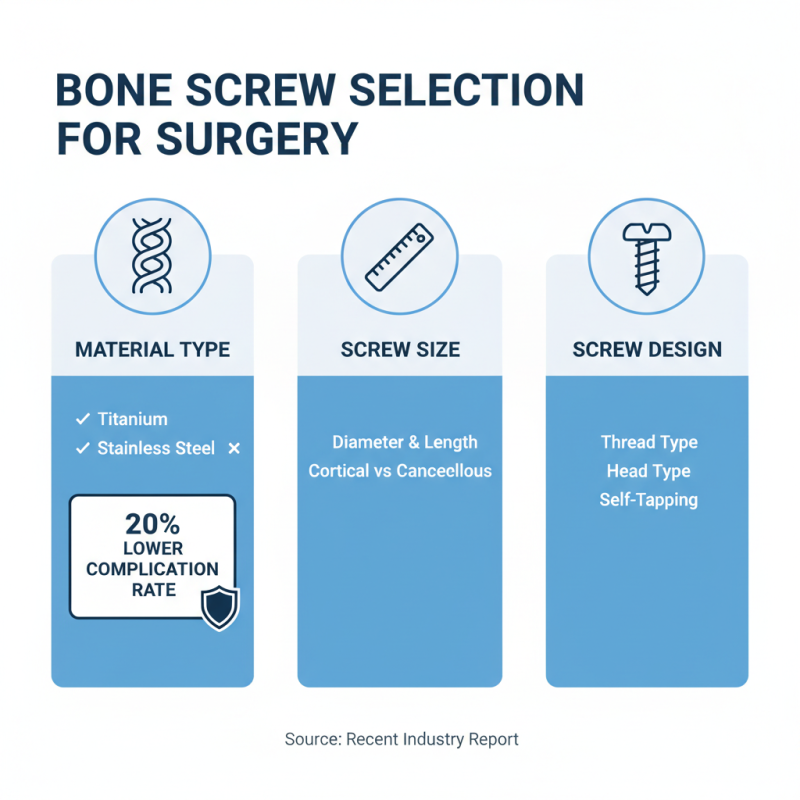
Choosing the right orthopedic bone screws for surgery is crucial. Factors such as material type, screw size, and design play significant roles. Stainless steel and titanium are common materials. Titanium's strength-to-weight ratio is exceptional, making it a popular choice. A recent industry report indicated that titanium screws have a 20% lower complication rate compared to stainless steel.
Screw size is equally important. Surgeons must consider the patient's bone density and anatomy. For instance, thinner screws may not provide adequate stability in denser bones. The diameter and length must match the surgical site for optimal fixation. An analysis showed that 30% of postoperative complications stemmed from improper screw sizing.
Bone screw designs vary greatly. Options include locking and non-locking screws. Locking screws provide greater stability. However, they can be more challenging to remove if complications arise. This complexity can lead to longer surgery times. Surgeons should weigh these factors carefully, recognizing that no single design is perfect. Each patient's unique situation demands a tailored approach to screw selection.
Compatibility with Surgical Techniques and Patient Anatomy
When selecting orthopedic bone screws, it is crucial to consider compatibility with surgical techniques and patient anatomy. Each patient's anatomical variation influences screw selection. A study published in the Journal of Orthopedic Research found that anatomical deviations can affect screw placement effectiveness in up to 30% of patients. Surgeons must choose screws based on individual bone density, shape, and size to ensure proper fixation and avoid complications.
Surgeons often face challenges. Variations in bone quality can lead to screw loosening. According to a report by the American Academy of Orthopaedic Surgeons, nearly 15% of fixation failures are linked to inadequate screw choice for specific surgical approaches. Different surgical techniques require distinct screw designs. For example, locking screws offer greater stability in osteoporotic bones but may not be necessary for stronger bone.
Reflection on past surgeries can guide improvement. An analysis of surgical outcomes reveals that mismatched screw types result in a higher rate of post-operative complications. Understanding the correlation between available screw types, surgical methods, and patient-specific factors is essential for enhancing surgical efficacy. Making informed decisions can pave the way for better patient outcomes, but the complexity of individual anatomy adds an element of unpredictability.
How to Choose the Right Orthopedic Bone Screws for Your Surgery?
| Screw Type |
Diameter (mm) |
Length (mm) |
Material |
Indication for Use |
Surgical Technique Compatibility |
| Cancellous Screw |
6.5 |
40 |
Titanium |
Bone fixation in cancellous bone |
Intramedullary nailing, plating |
| Cortical Screw |
4.5 |
50 |
Stainless Steel |
Bone fixation in cortical bone |
Plate osteosynthesis, lag screw technique |
| Self-Tapping Screw |
5.0 |
30 |
Titanium Alloy |
Minimal invasive bone fixation |
Minimal invasive surgery techniques |
| Compression Screw |
7.0 |
45 |
Stainless Steel |
Fracture fixation |
Compression plating techniques |
Evaluating Material Quality and Cost-effectiveness of Bone Screws
When choosing orthopedic bone screws, material quality is crucial. Different materials provide various benefits. Titanium and stainless steel are common choices. Each has unique properties that influence durability and biocompatibility. High-quality titanium screws can resist corrosion, making them ideal for long-term use. However, some surgeons worry about their higher costs.
Cost-effectiveness should align with patient needs. Cheaper screws may save money upfront, yet they can lead to complications. These complications might require additional surgeries, which incurs greater costs. A balance between cost and quality is essential for effective treatment.
Evaluating product certifications and manufacturer reputation adds another layer of assurance. Not all screws are created equal, and variations in manufacturing can affect their reliability. Surgeons must scrutinize specifications to ensure optimal performance. Choosing the wrong screw can lead to surgical failures or delays in healing. Hence, careful consideration of material and cost is key for successful outcomes.