How to Choose the Right Medical Screws for Surgical Procedures?
Choosing the right medical screws for surgical procedures is a critical task for healthcare professionals. These screws play a vital role in ensuring successful surgical outcomes. The selection of appropriate medical screws depends on various factors. These include the type of surgery, patient anatomy, and the materials used in screws.
Different surgical scenarios require different types of medical screws. For instance, orthopedic procedures may necessitate screws with unique properties. Factors like strength, corrosion resistance, and bio-compatibility also matter. Surgeons must consider these details in their decision-making process.
Yet, selecting the right option is not always straightforward. Some screws may not perform as expected, leading to complications. Continuous research and training are crucial to avoid common pitfalls. By understanding these nuances, medical professionals can enhance their expertise. This, in turn, contributes to positive surgical outcomes and patient safety.
Understanding the Different Types of Medical Screws Used in Surgery
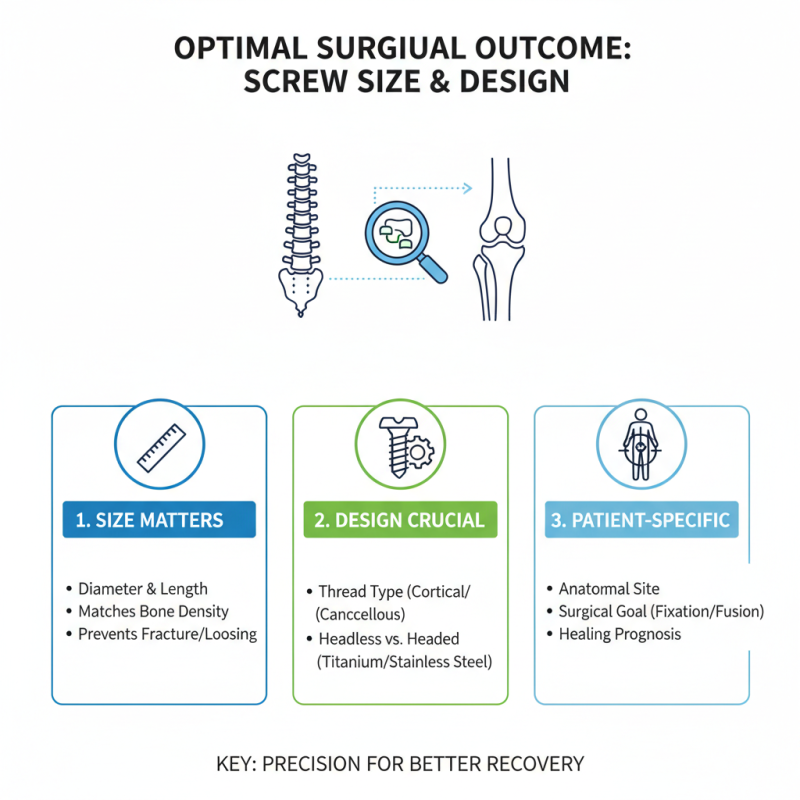
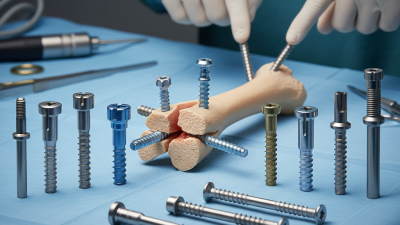
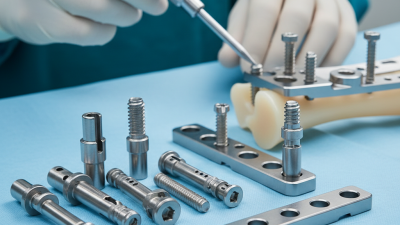
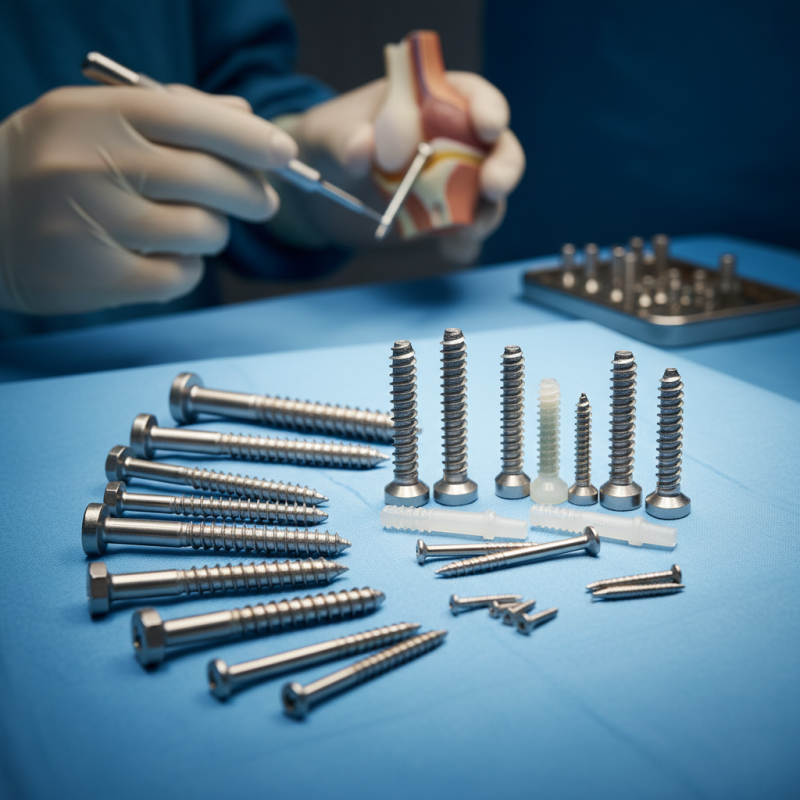
Choosing the right medical screws for surgical procedures requires a good understanding of the different types available. There are several categories of medical screws, each designed for specific applications. For instance, cortical screws are used for fastening plates to bone, while cancellous screws are made for softer bone structures. Each type has distinct characteristics. Knowing these details is crucial for successful surgeries.
Another important factor is the material used. Most screws are made from titanium or stainless steel. Titanium is lighter and provides excellent biocompatibility, while stainless steel is stronger and more durable. However, corrosion resistance varies between the two. This can affect long-term outcomes. Surgeons must consider these aspects carefully.
It’s also essential to assess the screw's size and length. A screw that is too long may damage adjacent tissues. Conversely, one that's too short may not provide adequate fixation. Surgeons often rely on their experience and judgment in these scenarios. No choice is without potential risks. Understanding the unique requirements of each case is paramount for optimal results.
Factors to Consider When Choosing Medical Screws for Specific Procedures
Choosing the right medical screws is crucial for surgical success. Several factors come into play during selection. The type of procedure is the foremost consideration. Each surgery may require different screw specifications based on the patient’s anatomy. Understanding the unique demands of orthopedic versus dental procedures is vital. Orthopedic screws, for example, may need higher tensile strength due to the load they bear.
Material also influences screw choice. Stainless steel and titanium are commonly used. Titanium is lighter and often preferred for its biocompatibility, minimizing infection risk. However, some surgical teams may be wary of titanium's potential to cause issues in imaging. Knowledge regarding materials ensures surgeons choose screws that promote healing and stability.
Screw size is another critical aspect. It should match the specific anatomical structures involved. Ill-fitting screws can lead to complications. Surgeons often review imaging studies to plan accordingly. Awareness of patient-specific factors, such as bone density and health conditions, contributes to making informed choices. Reflecting on past procedures may guide better decision-making for future surgeries.
How to Choose the Right Medical Screws for Surgical Procedures?
| Screw Type |
Material |
Size Range (mm) |
Application |
Torque Strength (Nm) |
Biocompatibility |
| Cortical Screw |
Titanium |
4.0 - 6.5 |
Bone fixation |
8-15 |
High |
| Cancellous Screw |
Stainless Steel |
4.5 - 7.5 |
Soft tissue fixation |
7-12 |
Moderate |
| Locking Screw |
Titanium Alloy |
3.5 - 5.0 |
Fracture fixation |
10-18 |
High |
| Bone Plate Screw |
Stainless Steel |
3.0 - 6.0 |
Plate fixation |
6-14 |
Moderate |
Material Selection: Biocompatibility and Strength in Medical Screws
Choosing the right medical screws involves understanding material selection, particularly biocompatibility and strength. Surgical screws need to be made from materials that will not cause adverse reactions in the human body. Titanium and stainless steel are two commonly used materials in the industry. Titanium exhibits excellent corrosion resistance and biocompatibility but can be more expensive. Stainless steel, while strong and cost-effective, may present issues with sensitivity in some patients.
Research shows that about 20% of patients experience complications related to surgical hardware. These complications often arise from the material properties of the screws used. Bioinert materials, like titanium, reduce inflammation risks. Strength is vital to withstand mechanical stresses during and after procedures. Different grades of stainless steel offer varying degrees of strength and corrosion resistance. Each choice carries benefits and drawbacks.
Tips: Always consider the specific surgical context. For example, trauma surgeries may require stronger screws to support healing. Consult with material specialists to find the best options for your needs. It's also important to question standard procedures and recognize that what worked before may not be ideal now. Balancing cost with patient safety is a delicate task.
Regulatory Standards and Quality Assurance in Medical Screw Selection
Selecting the right medical screws for surgical procedures involves strict adherence to regulatory standards. These standards ensure patient safety and device efficacy. Medical screws must undergo rigorous testing to meet safety requirements set by health authorities. Compliance with ISO standards demonstrates that a screw can withstand the demands of surgical applications.
Quality assurance in medical screw selection is vital. Manufacturers should provide detailed documentation of testing and material specifications. This documentation helps medical professionals make informed choices. It's crucial to consider the material properties, such as biocompatibility and tensile strength. Using inadequate screws can lead to serious complications.
However, it is important to reflect on the evolving nature of these standards. What was acceptable a few years ago may not suffice today. Regular updates in industry guidelines often highlight areas that need improvement. Healthcare professionals must stay informed to ensure the best outcomes for patients. They should also question existing choices and continuously evaluate new materials and technologies in this dynamic field.
Distribution of Medical Screw Types Used in Surgical Procedures