How to Choose the Right Medical Implants for Your Needs?
Choosing the right medical implants can be a daunting task. Dr. Emily Carter, a renowned orthopedic surgeon, once stated, "Selecting the right implant is crucial for successful outcomes." Medical implants play a vital role in recovery and overall health.
Various factors influence your choice. Consider your specific condition, lifestyle, and recovery goals. Not all implants are created equal. Personalized consultations with specialists can uncover the best options tailored to your needs.
The process may feel overwhelming. Patients often worry about long-term effects and functionality. Many hope for quick fixes but ignore potential challenges. It's essential to weigh the pros and cons of each implant type. Your decision may impact your quality of life for years to come. Taking the time to explore options can lead to the best possible health outcomes.
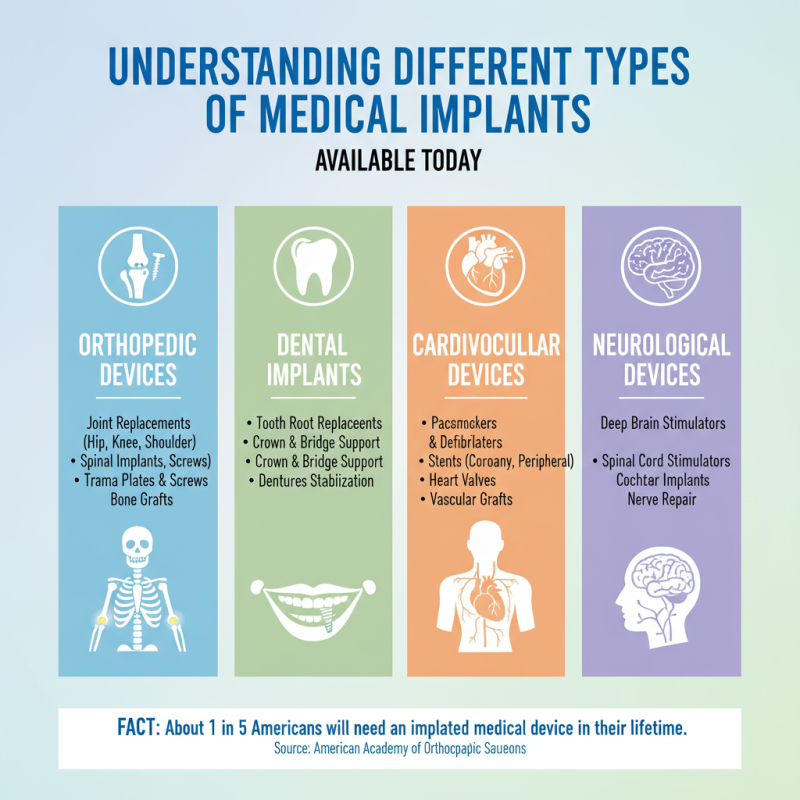
Understanding Different Types of Medical Implants Available Today
When selecting medical implants, understanding the variety available is crucial. Medical implants range from orthopedic devices to dental implants, each designed for specific purposes. According to a report by the American Academy of Orthopaedic Surgeons, about 1 in 5 Americans will need an implanted medical device in their lifetime. This statistic highlights the prevalence of such devices.
Tip: Consult with healthcare professionals to understand which implant suits your needs best. They can provide insights based on your medical history and lifestyle.
Orthopedic implants, including joint replacements, are common in older adults. Studies show that nearly 1 million hip and knee replacements occur annually in the U.S. Each implant varies in materials, like titanium or ceramic, impacting durability and biocompatibility. Dental implants are another significant category, with a 95% success rate reported by the American Dental Association.
Tip: Investigate the specific materials used in your implants. Knowing potential risks or benefits helps in making an informed decision.
While the advancements in implants are impressive, complications can occur. Awareness of risks enhances patient outcomes. Regular follow-up care is vital to monitor the implant's condition and your health status. This ongoing communication can help address any issues early.
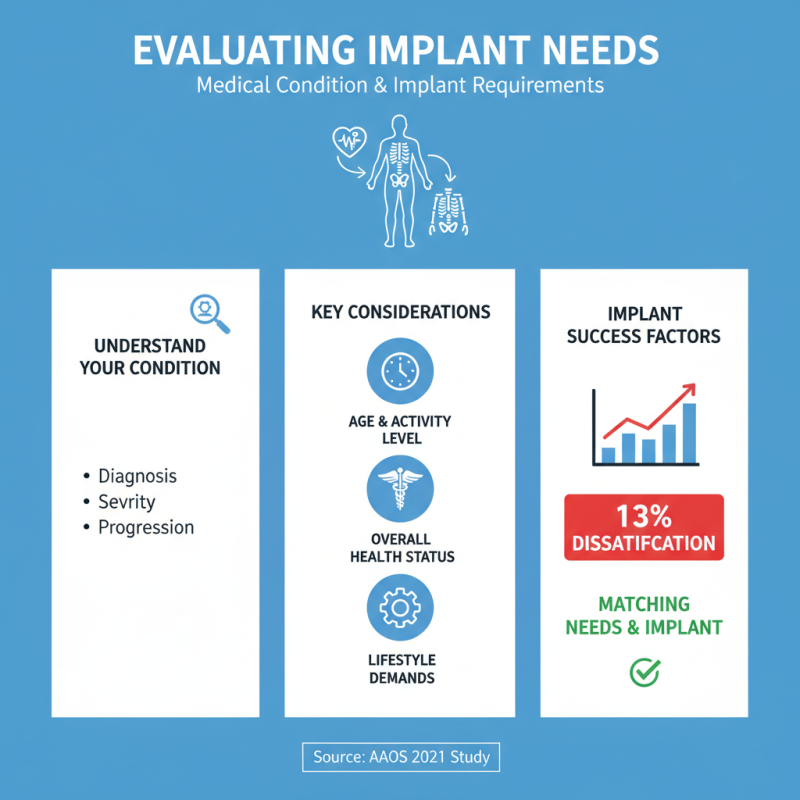
Evaluating Your Medical Condition and Implant Requirements
When choosing medical implants, understanding your condition is crucial. According to a 2021 study by the American Academy of Orthopaedic Surgeons, nearly 13% of patients reported dissatisfaction with their implants. Many of these issues stem from a mismatch between patient needs and implant characteristics. Factors like age, activity level, and health status all play significant roles.
Evaluating your medical condition involves thorough assessments. Consider the type of surgery needed and the expected recovery time. The Orthopedic Journal's 2022 report highlights that patients with pre-existing conditions require special consideration. For example, individuals with diabetes may face additional risks. Consulting with a healthcare professional ensures you understand potential complications and outcomes.
It’s also essential to reflect on your lifestyle. A 2020 survey of implant patients revealed that 60% wished they had considered the long-term effects on daily activities. Decisions must go beyond immediate medical needs. Balancing your physical condition with personal expectations is key. Remember, every choice carries its uncertainties, and thoughtful evaluation can lead to better outcomes.
Factors Influencing the Longevity of Medical Implants
Choosing the right medical implants is crucial for your health. Various factors influence their longevity. Understanding these factors can guide you in making informed choices.
Material quality is vital. Implants made from high-grade materials tend to last longer. Look for biocompatible options. Research shows that titanium and certain polymers resist wear. Body integration is another key aspect. Implants that integrate well with bone or tissue often perform better over time.
Tips: Consult healthcare professionals. Their expertise can provide tailored advice. Discuss your lifestyle and health conditions to determine suitable options. Regular follow-ups ensure timely monitoring of implant performance.
Also consider maintenance. Some implants may require specific care, like regular check-ups. Your doctor can recommend the best practices to prolong implant life. Monitor any changes in your body closely, as early detection can prevent complications. Be proactive in your health journey, and stay informed.
The Importance of Material Compatibility in Medical Implants
Material compatibility is a crucial factor in the effectiveness of medical implants. Studies show that implant failure rates can be as high as 20% within the first five years. This statistic highlights the significance of selecting materials that interact positively with the human body. Incompatible materials can lead to inflammation, infection, or even rejection of the implant.
Metals, ceramics, and polymers each have unique properties. For example, titanium is known for its excellent biocompatibility. It effectively integrates with bone tissue and reduces rejection rates. However, not all patients respond the same way to these materials. Some may experience localized reactions, questioning the concept of universal compatibility.
The importance of testing and quality assurance cannot be overstated. According to a report from the World Health Organization, up to 50% of medical device failures stem from material issues. Rigorous testing protocols can help identify potential problems before implants reach patients. Nonetheless, ongoing patient monitoring post-implantation remains vital, as unexpected reactions can occur despite careful selection. This is an area that requires continuous improvement and reflection within the industry.
Consulting with Healthcare Professionals for Informed Decisions
Choosing the right medical implants is a crucial decision that can significantly affect your health and lifestyle. Consulting with healthcare professionals is essential for making informed choices. They have the expertise to guide you through various options, helping you to assess what best fits your unique situation.
Healthcare providers often consider your medical history and specific needs. A thorough evaluation ensures that the implants you choose will be compatible with your body. They can also explain potential risks and benefits associated with different types of implants, which is essential information for your decision-making process.
**Tips:** Ask questions to clarify any confusion. Don't hesitate to request alternative options. Understanding the procedures and their implications helps build trust in your healthcare team. Remember to voice any concerns you may have; your comfort is paramount. It’s common to have mixed feelings about the process. Reflecting on your priorities can illuminate the best path forward. Engaging in open dialogues with professionals fosters a partnership centered on your health and well-being.
How to Choose the Right Medical Implants for Your Needs? - Consulting with Healthcare Professionals for Informed Decisions
| Implant Type |
Material |
Common Uses |
Biocompatibility |
Average Longevity |
Key Considerations |
| Orthopedic Implants |
Titanium, Stainless Steel |
Joint replacements, bone fixation |
High |
10-20 years |
Strength, wear-resistance, allergy history |
| Cardiac Implants |
Titanium, Polymer coatings |
Pacemakers, stents |
Very High |
5-15 years |
Compatibility with cardiac tissue, anti-thrombogenicity |
| Dental Implants |
Titanium, Zirconia |
Tooth replacement |
High |
10-25 years |
Osseointegration, oral hygiene |
| Neuroprosthetic Implants |
Silicone, Platinum |
Brain stimulation, sensory restoration |
Moderate |
Variable |
Neural compatibility, risk of inflammation |
| Spinal Implants |
Titanium, PEEK (polyetheretherketone) |
Vertebrae stabilization |
High |
10-20 years |
Load bearing, flexibility |